






















Mexico’s Congress Sparks Free Speech Alarm with Proposed “Anti-Meme” AI Law
A new bill in Mexico’s Congress would impose 3–6 years in prison for sharing AI-generated memes that “ridicule” others—raising fears of censorship against political satire, parody, and public criticism. Free speech advocates warn: humor could become a crime. Full report on EpochPost.
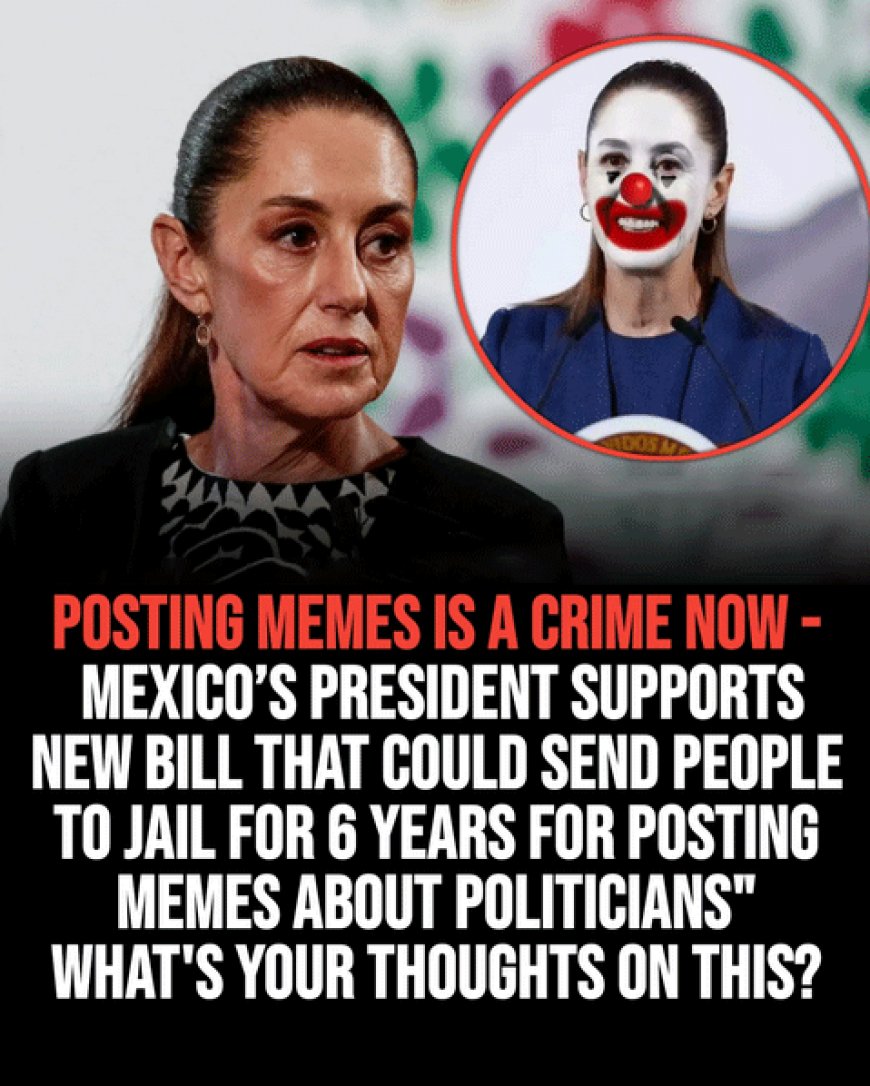
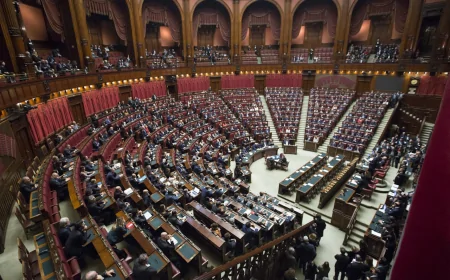
Mexico’s Congress is once again at the center of a free speech controversy—this time over a proposed law that could criminalize internet memes, including those targeting politicians.
Introduced by Deputy Armando Corona Arvizu of the ruling Morena party, the bill seeks to amend the Federal Penal Code by adding Articles 211 Bis 8 and 211 Bis 9, which would punish anyone who “creates, manipulates, transforms, reproduces, or disseminates” AI-generated images, videos, or audio intended to “ridicule, harass, impersonate, or damage” a person’s reputation or dignity.
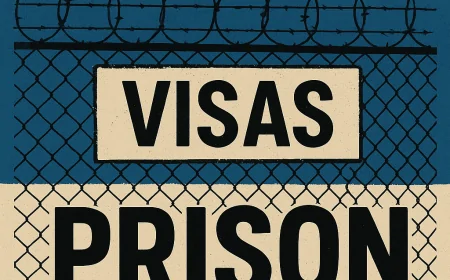
Violators could face 3 to 6 years in prison and significant fines. Penalties would increase by 50% if the target is a public official, minor, person with a disability, or if the content goes viral or causes psychological or professional harm.
Satire vs. “Ridicule”: A Dangerous Legal Gray Zone
While framed as a measure against digital abuse and deepfakes, critics say the bill’s language is dangerously vague—making no distinction between malicious AI impersonation and harmless political memes.
Crucially, the proposal contains no exemptions for parody, satire, or public-interest criticism—forms of expression long protected under international human rights standards and essential to democratic discourse.
In Mexico, where political cartoons, viral memes, and social media humor have historically served as tools to hold power accountable, the law could have a chilling effect on free expression.
“This isn’t about protecting dignity—it’s about shielding politicians from mockery,” said one digital rights advocate.
Harsher Penalties for Mocking Public Officials?
Perhaps most concerning is the provision that increases punishment when the victim is a public servant. Rather than protecting vulnerable citizens, this could empower officials to weaponize the law against critics, claiming that a meme “damaged their dignity.”
In a country where trust in institutions remains fragile, turning political humor into a felony risks deepening public alienation—not enhancing digital safety.
A Familiar Pattern
This is not Morena’s first attempt to regulate online speech. In recent years:
Former Puebla governor Alejandro Armenta pushed a so-called “Censorship Law” penalizing online “insults.”
Senator Ricardo Monreal proposed an “Anti-Memes Law” requiring humorous posts to be labeled as such—prompting massive public backlash and eventual withdrawal.
Deputy Corona’s initiative follows the same playbook—repackaged under the banner of AI regulation.
Experts Warn of Overreach
International watchdog Article 19 has repeatedly cautioned that overly broad digital laws in Mexico risk criminalizing journalism, activism, and everyday online expression.
“Laws must target genuine harm—not satire,” the group stated in a recent report. “Vague terms like ‘ridicule’ invite arbitrary enforcement.”
The Bigger Question
As AI-generated content becomes more common, legitimate concerns about deepfakes, fraud, and non-consensual imagery deserve serious legal attention. But experts argue that narrowly tailored laws—with clear safeguards for free expression—are the answer, not blanket bans on digital creativity.
Mexico’s vibrant meme culture is more than entertainment—it’s a form of civic engagement. Criminalizing it, even in the name of safety, may silence one of the last checks on power in the digital age.