

The History of the Pharma Cartel (1911–1963)
Comprehensive editorial on the pharmaceutical cartel (1911–1963) with visuals, videos, infographics, and sources for readers. Learn the hidden history of pharma monopolies and their global impact. Uncover the hidden history of the pharmaceutical cartel: Rockefeller, I.G. Farben, and the global monopolization of medicine from 1911 to 1963. Read the full editorial with visuals, videos, and sources on Epoch Post.
Key Takeaways
- Comprehensive editorial on the pharmaceutical cartel (1911–1963) with visuals, videos, infographics, and sources for readers. Learn the hidden history of pharma monopolies and their global impact. Uncover the hidden history of the pharmaceutical cartel: Rockefeller, I.G. Farben, and the global monopolization of medicine from 1911 to 1963. Read the full editorial with visuals, videos, and sources on Epoch Post.
- The History of the Pharma Cartel (1911–1963) By Epoch Post Editorial Introduction The pharmaceutical industry’s current form was shaped through a series of strategic moves, m...
- Published: Oct 27, 2025 — Editor's Choice

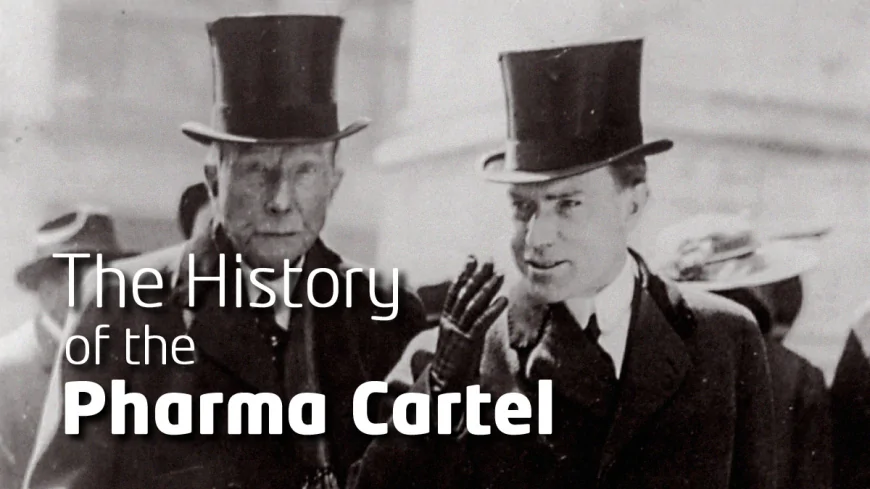
The History of the Pharma Cartel (1911–1963)
By Epoch Post Editorial
Introduction
The pharmaceutical industry’s current form was shaped through a series of strategic moves, mergers, and global influence campaigns from 1911 to 1963. This editorial explores the key events, supported by historical sources, images, and multimedia for a comprehensive understanding.
1. Breakup of Standard Oil (1911)
In 1911, the U.S. Supreme Court ruled that John D. Rockefeller's Standard Oil Trust was a monopoly, ordering its dissolution. Despite the ruling, Rockefeller continued to exert enormous influence.
“Standard Oil Co. of New Jersey v. United States established the 'rule of reason' for antitrust law.”
2. Establishment of the Rockefeller Foundation (1913)
John D. Rockefeller founded the Rockefeller Foundation in 1913, using philanthropy to influence medical education and public health programs. This became a foundation for the pharmaceutical investment business.
Eradication or Control? The Rockefeller Foundation’s Global Anti-Malaria Campaigns
A brief history of the Rockefeller Foundation's International Health Commission
3. Rise of I.G. Farben (1925)
In 1925, German chemical giants Bayer, BASF, and Hoechst formed I.G. Farben, establishing a major pharmaceutical cartel. This marked the beginning of fierce global competition.
Read about I.G. Farben and WWII
4. Nuremberg Trials and Corporate Accountability (1947–1948)
Post WWII, 24 I.G. Farben executives were tried for war crimes, including crimes against humanity. Many served minimal sentences and returned to influential corporate positions.

Read the official Nuremberg case overview
5. Founding of the United Nations (1945)
The UN was established in 1945 to promote international cooperation. Nelson Rockefeller played a significant role in shaping post-war global institutions.

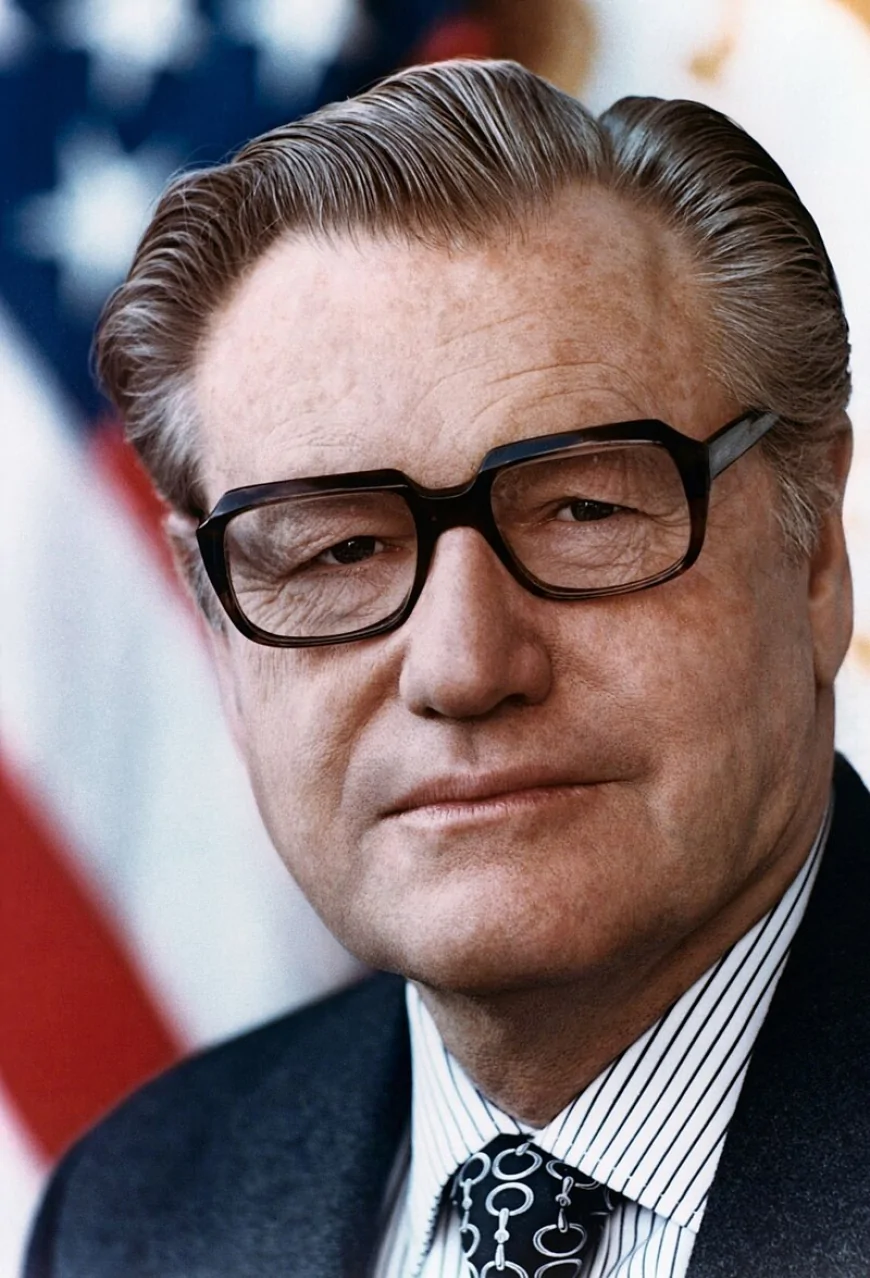 Learn more about Nelson Rockefeller
6. Global Health Policies and Pharmaceutical Dominance (1963)
By 1963, Rockefeller-influenced interests pushed international efforts to restrict vitamin therapies and natural health approaches, consolidating control over global pharmaceuticals.
Rockefeller Foundation health campaigns
Conclusion
The years 1911–1963 were transformative for the pharmaceutical sector, defined by corporate strategy, political influence, and global expansion. Understanding this history offers critical insight into today’s healthcare landscape and ongoing debates about ethics, access, and corporate power.
References & Further Reading
- Profit Over Life website – Nuremberg trial documents
- Brown, Richard E., Rockefeller Medicine Men
- Standard Oil Co. v. United States – Wikipedia
- IG Farben – Wikipedia
- Nelson Rockefeller – Wikipedia
----------------------------------------------------------------------------------------------------------------------------
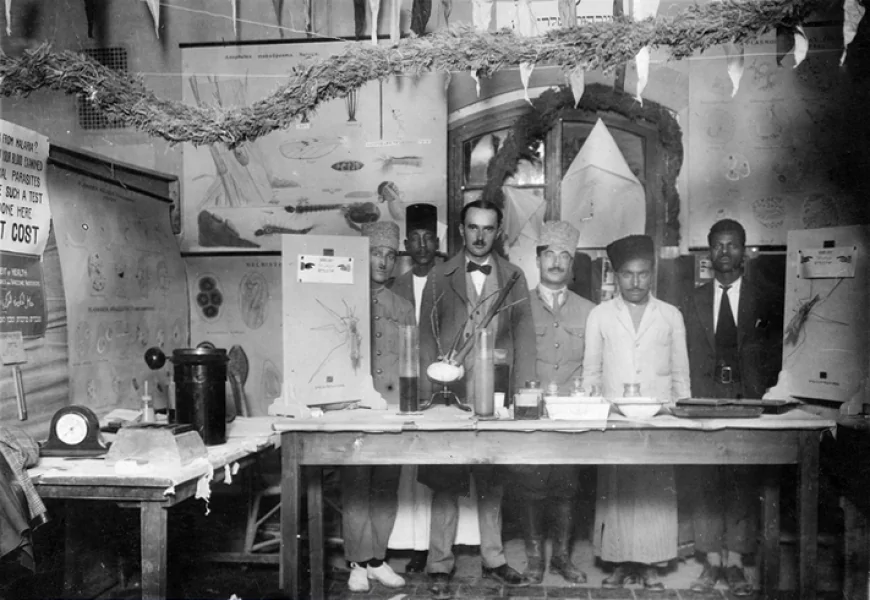
Anti-Malaria Health Exhibit, Jerusalem 1925
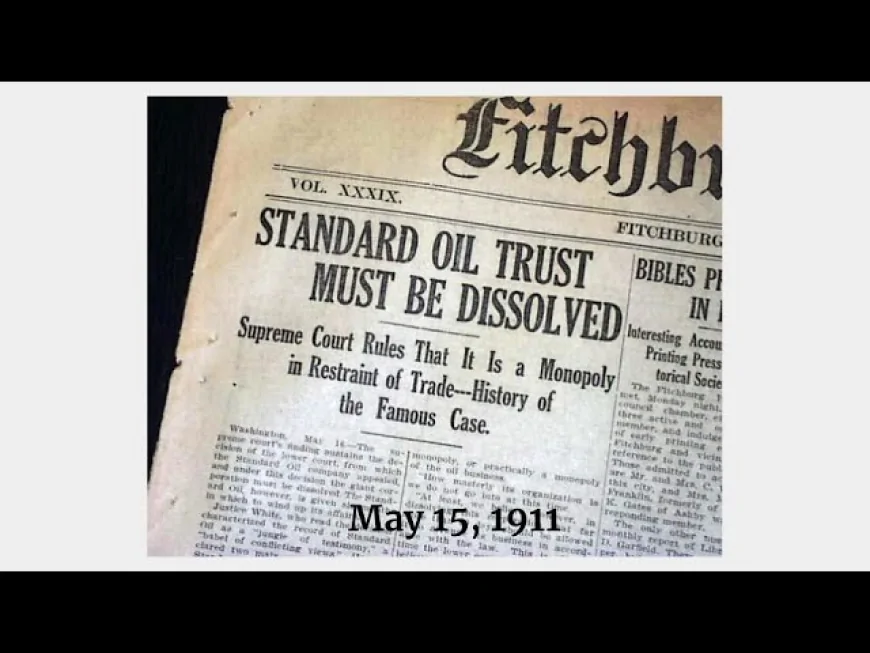
STANDARD OIL TRUST MUST BE DISSOLVED
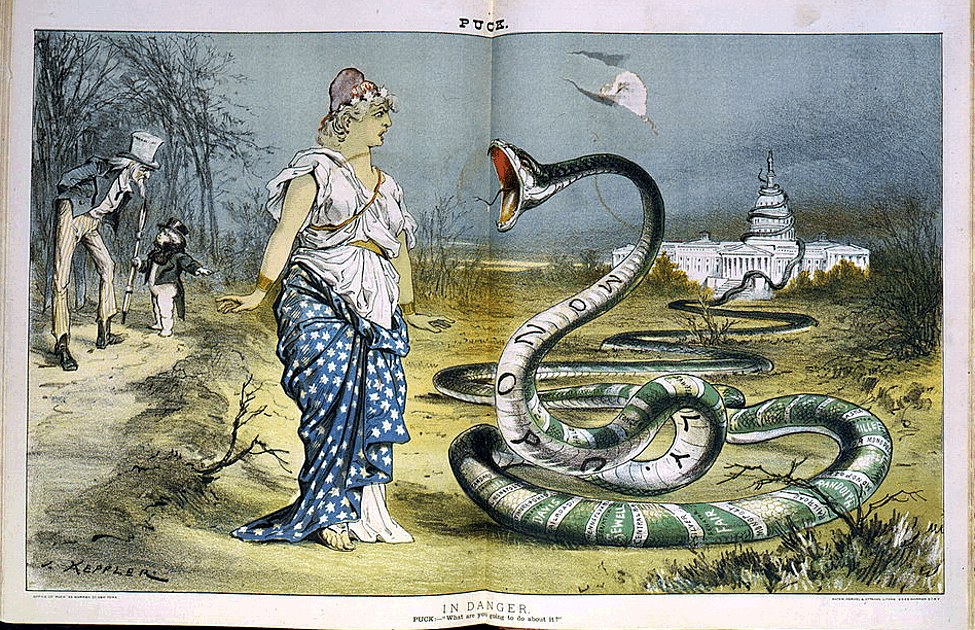
The political cartoon below is from an 1881 issue of Puck, a popular magazine of that time.
It shows there was growing concern by the public about the problem of monopolies.
The magazine's symbol, the little boy with the top hat, is asking Uncle Sam
(representing the U.S. government), "What are you going to do about it?"
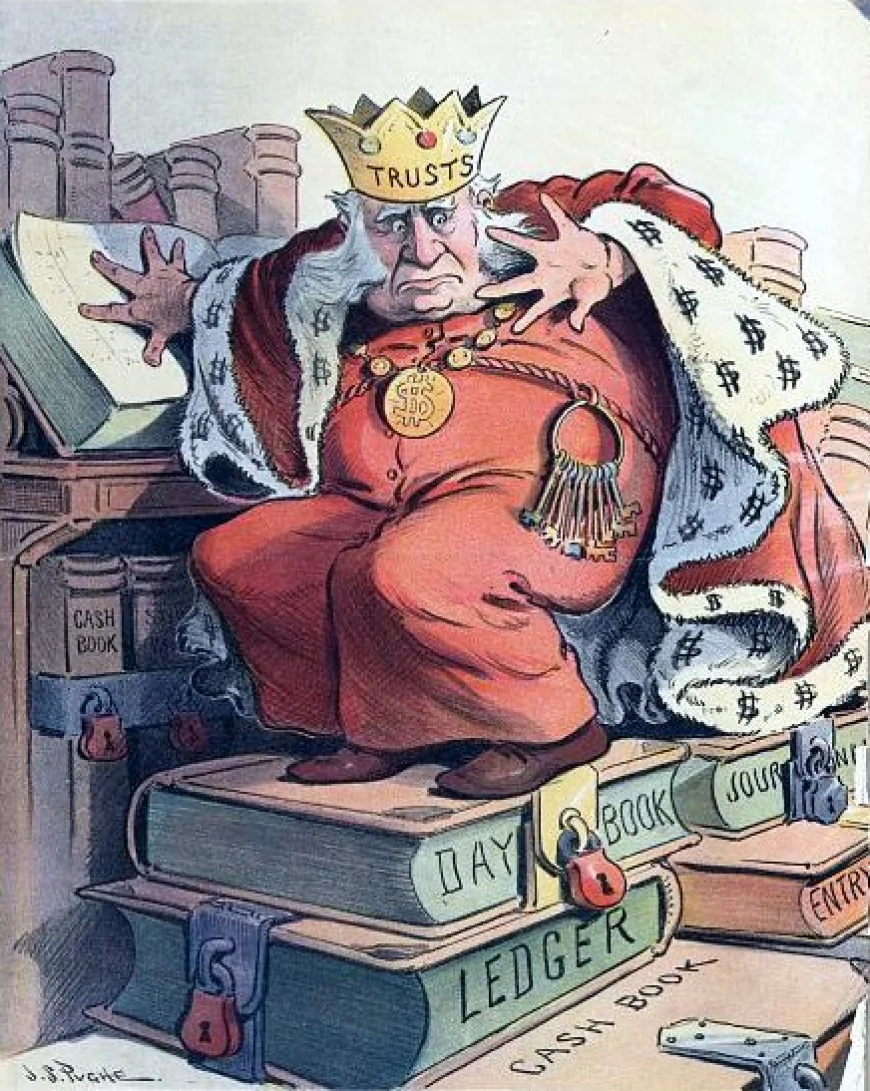
In 1890, Congress responded by passing the Sherman Anti-Trust Act. Here is a summary of what the law said:
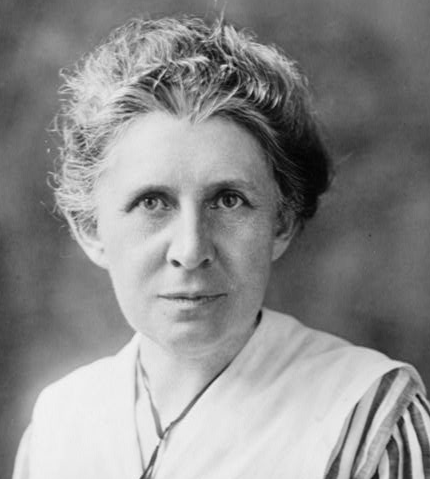
Starting in 1902, a magazine reporter named Ida Tarbell began exposing the ways the Standard Oil Company got almost total control of the oil industry.
Tarbell detailed how the company bought out other oil refiners, or deliberately made it difficult for them to stay in business. She explained how secret deals with the big railroad companies gave the Standard Oil Company an advantage over the other oil companies. Rockefeller, she reported, even had spies working in other oil businesses.
Ida Tarbell agreed that Rockefeller had created an amazingly productive business. By showing the unfair methods that were sometimes involved, however, she highlighted the need for real action.
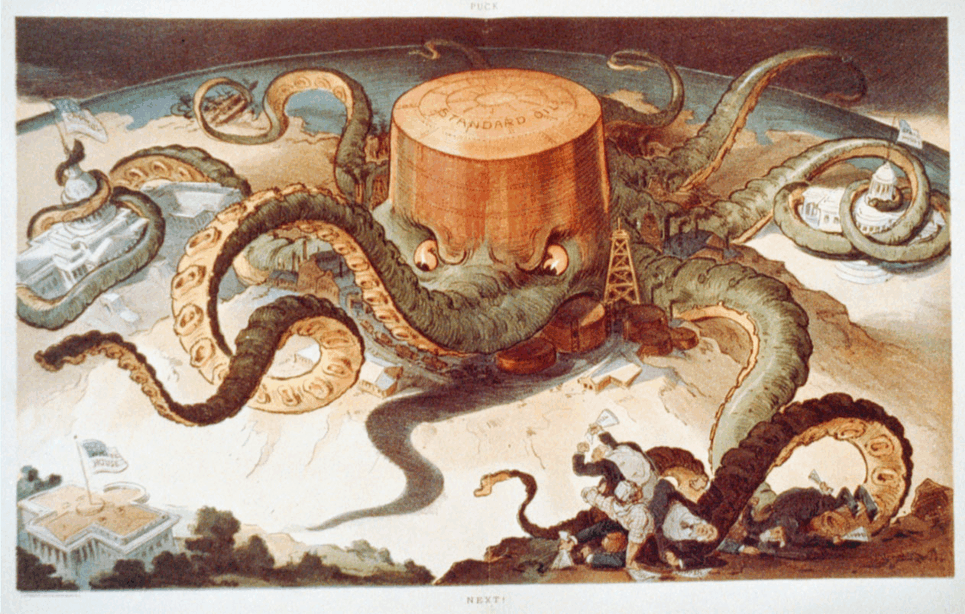
The famous political cartoon below is from the pages of Puck magazine in 1904. The
cartoon shows the Standard Oil company as a giant octopus wrapping it tentacles around
the steel and shipping industries, as well as the U.S. Capitol building, a state capitol
building, and even reaching toward the White House.
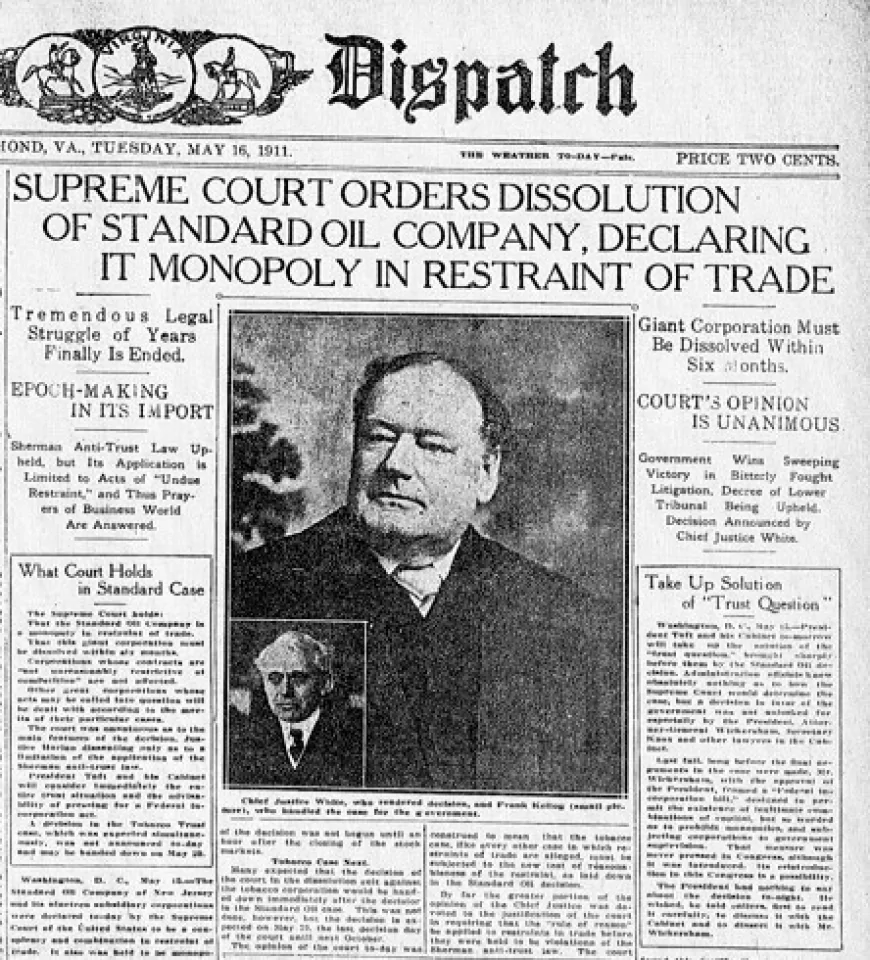
In 1911, at the end of a long court case, the U.S. Supreme Court ruled that the Standard Oil Company was operating in violation of the law against monopolies.
The court ordered the oil company to break itself up into smaller companies, so that no one company would dominate or control the industry.
The decison put all big businesses on notice that if they became monopolies and restricted competition unfairly, they would land in court.
What's Your Reaction?
 Like
0
Like
0
 Dislike
0
Dislike
0
 Love
0
Love
0
 Funny
0
Funny
0
 Wow
0
Wow
0
 Sad
0
Sad
0
 Angry
0
Angry
0










Comments (0)