
























































Rectal Cancer Now One-Third of All Colorectal Diagnoses in US Study
Rectal cancers now account for nearly one-third of all colorectal cancer diagnoses in the United States, according to new data highlighting a shift in where colorectal cancers are occurring.
Rectal Cancer's Share of Colorectal Diagnoses Reaches One in Three, Data Shows
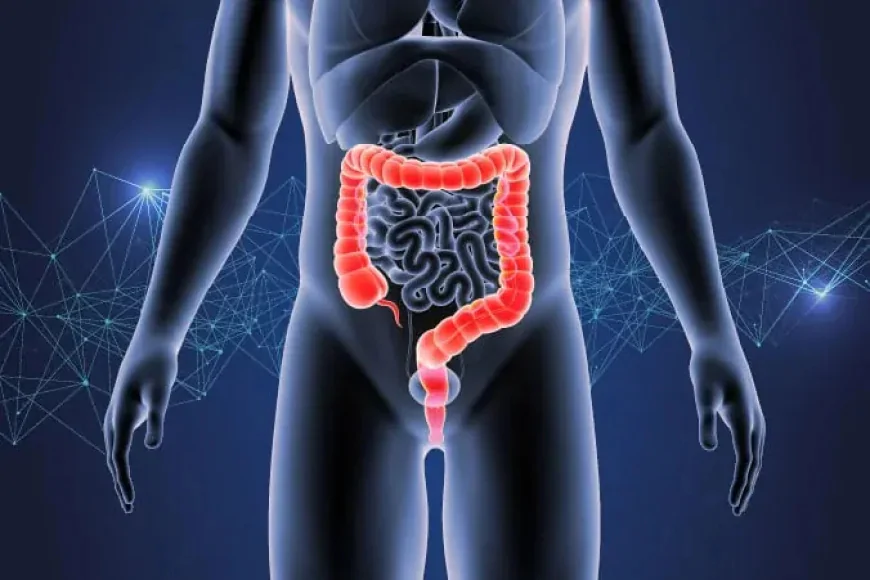
Colorectal cancer has been a known and screened-for disease for decades. What is becoming clearer — and more concerning — is where within the colon and rectum those cancers are arising. New data shows that rectal cancers now account for nearly one-third of all colorectal cancer diagnoses in the United States. That proportion has been rising.
The shift matters clinically. Rectal cancers present different surgical and treatment challenges than colon cancers. They are harder to operate on because of the anatomy of the pelvis. They more often require combination approaches — radiation, chemotherapy, and surgery — rather than surgery alone. Outcomes have been improving, but rectal cancers remain more complex to manage than their colonic counterparts.
The increase in rectal cancer's share of total colorectal diagnoses coincides with a broader and well-documented trend: colorectal cancers are rising in adults under 50. Young-onset colorectal cancer — defined as diagnosis before age 50 — has increased by approximately 2% per year since the 1990s in the United States. Rectal cancers are disproportionately represented in this younger age group.
Why the Rectum? Current Hypotheses
Researchers do not have a definitive answer for why rectal cancers are increasing at a faster rate than proximal colon cancers. Several hypotheses are under active investigation. Dietary patterns — specifically the rise of ultra-processed food consumption and the decline of fiber intake — may create a microbiome environment that particularly affects the distal bowel. Obesity and sedentary behavior are known risk factors for colorectal cancer overall, but their differential impact on rectal versus colon cancer is not yet fully characterized.
Disrupted sleep patterns and circadian rhythm dysregulation are another hypothesis being studied. The rectum's tissue is continuously exposed to the bacterial community of the lower gut in a way that differs from the rest of the colon. Changes in that microbial community may be preferentially expressed as rectal rather than colonic pathology in ways that are still being mapped.
Screening Implications
The United States Preventive Services Task Force recommends that colorectal cancer screening begin at age 45 for average-risk adults. The rectal cancer trend reinforces the importance of that recommendation and has prompted some gastroenterologists to call for more aggressive screening in younger patients who present with rectal bleeding — a symptom that is frequently attributed to hemorrhoids and dismissed without further investigation.
Colonoscopy provides direct visualization of the entire colon and rectum and remains the gold standard for colorectal cancer screening. Stool-based tests, including the fecal immunochemical test and the multi-target stool DNA test, are widely used but may be less sensitive for rectal lesions located very close to the anal margin.
According to Dr. David Kim, Gastroenterology Division Chief at University of California San Francisco Medical Center, "The message to primary care physicians is clear: rectal bleeding in a patient of any age who is over 45 requires a colonoscopy referral, not reassurance. The burden of rectal cancer in younger adults is too high to default to watchful waiting."
Treatment Advances and Survival Gaps
Treatment for rectal cancer has advanced significantly in the past decade. Total mesorectal excision, a precise surgical technique, has reduced local recurrence rates. Neoadjuvant chemoradiation — treatment given before surgery to shrink the tumor — is now standard for locally advanced cases. For some patients with a complete clinical response to neoadjuvant therapy, a watch-and-wait approach that preserves the rectum without surgery has shown promising results in specialized centers.
Survival outcomes remain sensitive to stage at diagnosis. Early-stage rectal cancers have five-year survival rates exceeding 90%. Metastatic disease is far more difficult to treat, with five-year survival below 20% for most patients. Closing the gap between those numbers depends on catching rectal cancers earlier — and that depends on screening being offered, accepted, and followed up on consistently.
Whether the one-in-three figure represents a ceiling for rectal cancer's share of colorectal diagnoses — or a waypoint in a continuing shift — is a question that will be answered by the next five years of epidemiological data.