












































Oil Surges 8% as Strait of Hormuz Shipping Halted by Iran Conflict
Oil prices have jumped more than 8% and global markets are reeling as Iran's attacks have effectively stopped tanker traffic through the Strait of Hormuz, which carries 20% of world oil supply.
Brent Crude Hits $79 as Hormuz Tankers Abandon the Strait
The numbers moved fast. Brent crude, the global oil benchmark, surged 8.6% to $79.11 per barrel on Monday — its highest level in over a year — as the war between the US, Israel, and Iran effectively shut down the world's most critical oil shipping corridor.
US West Texas Intermediate climbed 8.4% to $72.63 per barrel. European natural gas futures jumped more than 40% after Qatar, one of the world's largest LNG suppliers, halted production due to the conflict. The national average price for a gallon of regular gasoline in the United States rose to $2.98 last week — before Monday's surge took effect at the pump.
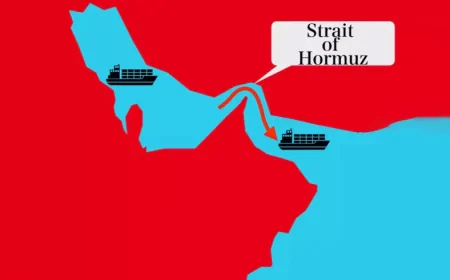
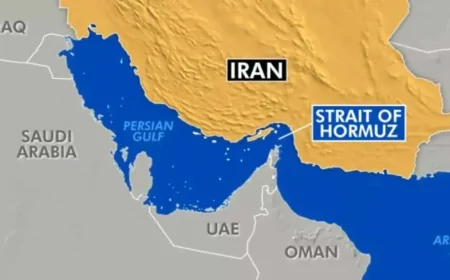
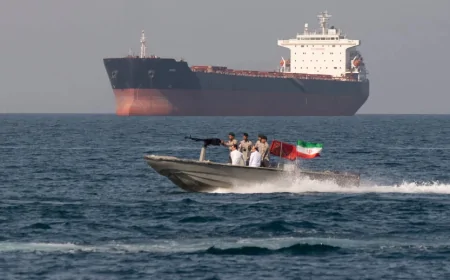
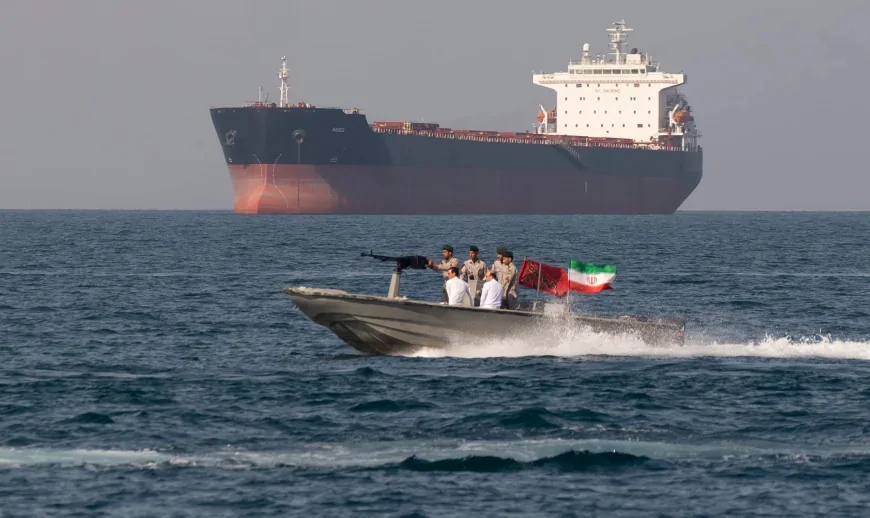
Tanker traffic through the Strait of Hormuz has come to a near-complete stop. Iran declared the strait closed following the initial US-Israeli strikes. Satellite tracking data from analytics firm Kpler confirmed a sharp drop in vessel movement. Three tankers have already been struck. Shipping companies, oil majors, and trading houses suspended crude oil, fuel, and LNG shipments.
Saudi Refinery Hit, OPEC Capacity Off the Table
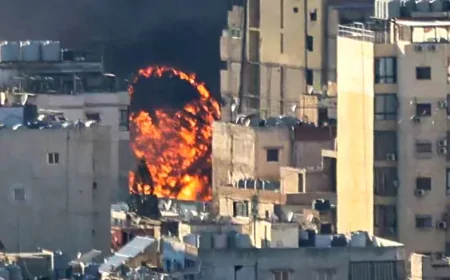
The stakes escalated further when Saudi Arabia reported that Iranian drones struck the Ras Tanura oil refinery near Dammam — one of the largest oil processing facilities on earth. Saudi authorities intercepted the attack and shut down the refinery as a precaution, state television reported.
Market analysts said the Ras Tanura strike represented a major escalation, demonstrating that Gulf energy infrastructure was within Iran's reach. Investor sentiment shifted sharply as the possibility of wider damage to regional oil facilities entered price calculations.
Analysts at WoodMac described the situation as a dual supply shock. Not only are current exports through the strait halted, but OPEC spare capacity — the traditional safety valve for supply disruptions — is inaccessible while the waterway remains closed. OPEC had previously agreed to raise output by 206,000 barrels per day for April. That plan is now on hold.
Analysts Warn of $100 Oil If Closure Extends
Citi analysts placed Brent's likely trading range between $80 and $90 per barrel over the coming week in their base case, while warning of a pullback to $70 on de-escalation. Bernstein raised its full-year 2026 Brent price assumption from $65 to $80, but flagged a scenario of $120 to $150 per barrel in the event of prolonged conflict.
Energy Aspects analyst Amrita Sen said she expected prices to hold near $80 a barrel. She noted that the biggest immediate risk was not a full closure but individual attacks on vessels, which are harder to prevent. Asian refiners are already struggling to source Middle Eastern crude volumes.
According to Holger Schmieding, Chief Economist at Berenberg Bank, "A sustained rise of $15 per barrel could add 0.5 percentage points to consumer prices in Europe. The key question for the global economy is whether the Strait of Hormuz will be effectively closed for more than a few weeks."
US Political Pressure to Limit Price Damage
The White House faces a politically explosive problem. Gas prices are a direct line to voter sentiment, particularly ahead of November's midterm Congressional elections. Trump ran in 2024 promising energy affordability and an end to foreign wars — a combination now under severe strain.
Schmieding predicted Trump would go to significant lengths to prevent a lasting surge in prices that could hurt him domestically, and forecast a return to $65 to $70 per barrel after an initial spike.
The Strait of Hormuz carries roughly 20% of the world's daily oil consumption. Saudi Arabia, Iraq, and the UAE depend entirely on tanker access through the waterway to reach global markets. With pipelines unable to carry the full volume, the arithmetic of any prolonged closure gets painful very quickly — for producers, consumers, and every economy between.