
































UK Spring Statement Overshadowed by Iran War as OBR Slashes Growth Forecast
The UK's Office for Budget Responsibility cut 2026 growth to 1.1% and warned Iran war risks are not yet reflected in economic forecasts released at Wednesday's Spring Statement.
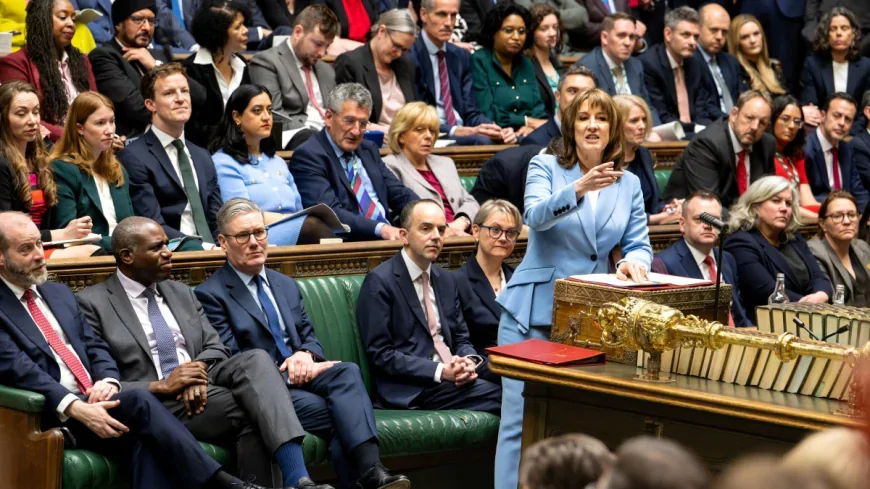
UK Chancellor Delivers Spring Statement Into an Economy Already Under Siege
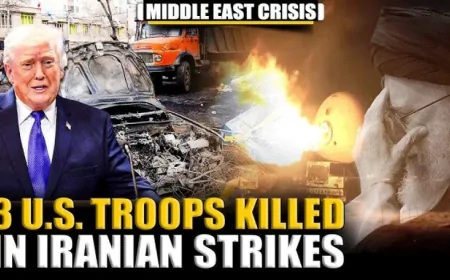
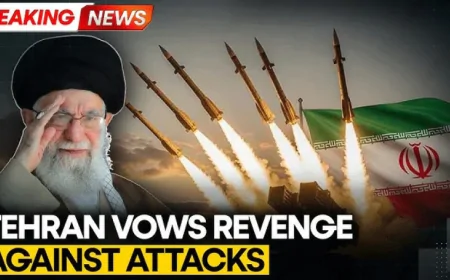
Britain's Spring Statement delivered no major fiscal surprises on Tuesday, but the document beneath the headline numbers told a far more troubling story. The UK's Office for Budget Responsibility slashed its 2026 growth forecast to 1.1 percent from 1.4 percent, raised its peak unemployment estimate to 5.3 percent from 4.9 percent, and issued an explicit warning that the risks posed by the Iran war and U.S. tariffs were not yet reflected in those projections. The implication: the numbers released Tuesday could deteriorate significantly depending on how the next weeks unfold in the Middle East.
Borrowing fell by £18 billion from previous forecasts, and the fiscal headroom — the buffer the Treasury has against breaching its self-imposed borrowing rules — rose to £23.6 billion. A record £30.4 billion January surplus, driven by capital gains tax receipts and self-assessment payments, provided temporary fiscal relief. But OBR analysts flagged that inheritance tax reforms taking effect in April 2026 on agricultural and business property would alter revenue dynamics for rural constituencies — a politically sensitive change the government will have to defend.
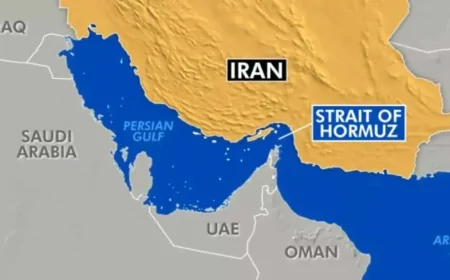
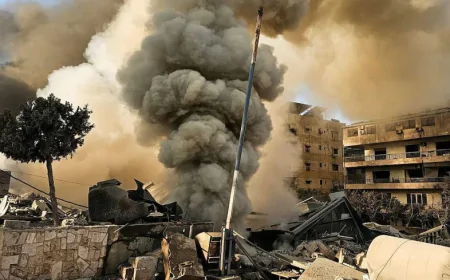
The statement was delivered against a backdrop of economic anxiety that stretched well beyond normal budget-season concerns. Natural gas TTF futures had surged more than 60 percent in two days as the Hormuz crisis took hold, and energy analysts warned that European consumers face a renewed inflationary squeeze just as central banks had been expected to begin easing policy.
European Aviation Shutdown Adds to British Economic Pressure
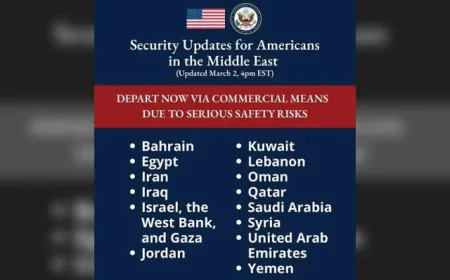
An estimated 300,000 British nationals were stranded across Gulf states following the closure of Dubai, Abu Dhabi and Doha's aviation hubs, forcing the Foreign Secretary to activate consular evacuation support. For UK carriers already prohibited from Russian airspace since 2022, the Middle East closure eliminated the last efficient routing to Asia. British Airways, alongside Lufthansa, Air France and KLM, suspended all Middle East operations.
The European Aviation Safety Agency's conflict zone ban across 11 countries was described by aviation analysts as the broadest European aviation shutdown since the aftermath of September 11, 2001, with more than 1,300 flights cancelled on Tuesday alone. The economic cost to British aviation, tourism, and business travel was mounting by the hour, OBR officials acknowledged, without having sufficient data to quantify it in the published forecast.
The Spring Statement lowered the UK's inflation forecast — a projection that appeared outdated within hours of its release as energy prices continued climbing. Goldman Sachs economists said in a research note issued Tuesday that sustained Hormuz disruption could add between 0.4 and 0.8 percentage points to UK CPI over a six-month period.
Germany and EU Industrial Sector Diverge Upward
Not all European economic signals pointed downward. Germany's manufacturing sector expanded in February, turbo-charged by fiscal spending on infrastructure and defense. Italy benefited as a key German trade partner. The euro area's fiscal posture has shifted decisively toward defence spending, and in Barcelona, a consortium led by Telefónica unveiled EURO-3C — a €75 million sovereign cloud and AI platform connecting 13 countries, backed by the European Commission and designed to reduce Europe's 70 percent dependency on American cloud infrastructure.
According to Paul Johnson, Director of the Institute for Fiscal Studies, "The Spring Statement was designed to project stability, but the OBR's own language makes clear that stability is conditional on a geopolitical situation that is moving faster than any forecast model can track."
Britain enters the next quarter with its fiscal position nominally improved but its economic outlook tied to a conflict it has no power to end — a position that Chancellor's advisers will be watching with deepening unease.