

































Iran War: US Troops Killed as Operation Epic Fury Enters Day 4
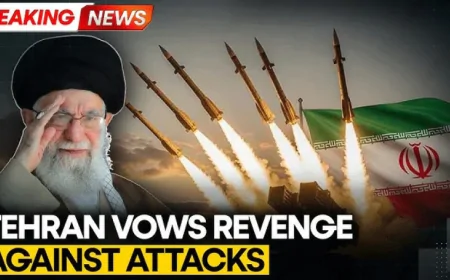
Four US service members are now dead as Operation Epic Fury enters its fourth day, with Iran launching retaliatory strikes on at least seven countries.
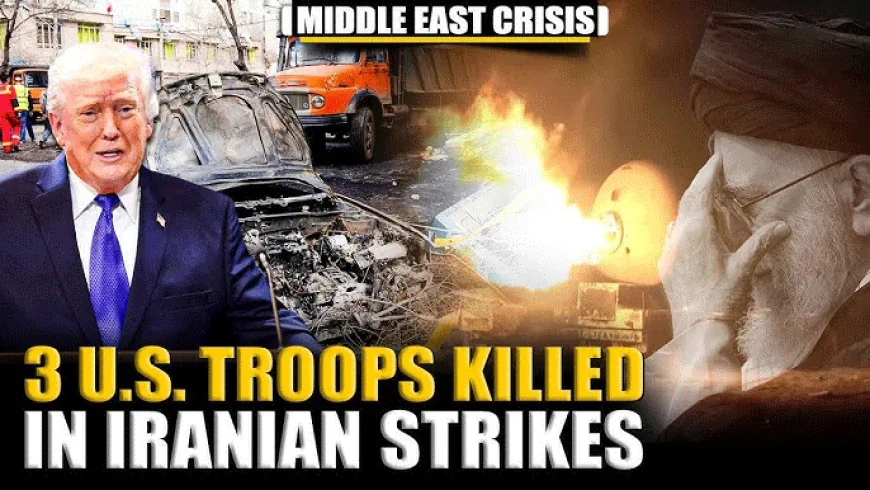
Fourth US Soldier Killed as Iran Strikes Back Across the Region
Four American service members are dead. That number was three on Sunday. By Tuesday morning, it climbed to four. The United States military confirmed the fourth fatality in Kuwait, where Iranian missiles struck a facility housing US forces.
Operation Epic Fury, the joint US-Israeli military campaign launched on February 28, has entered its fourth consecutive day with no sign of de-escalation. Iran's Islamic Revolutionary Guard Corps said it has now struck 27 separate bases across the Middle East where American troops are deployed.
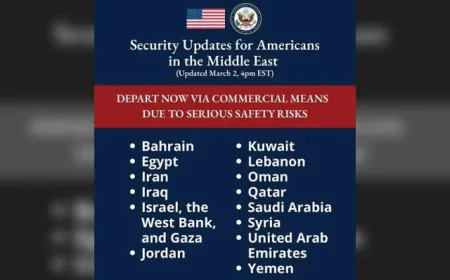
The scale of the retaliation has stunned military analysts. Iran fired missiles at Israel, Bahrain, Kuwait, Iraq, Jordan, and Saudi Arabia within a single 24-hour period. The US Navy's 5th Fleet headquarters in Bahrain's Juffair district absorbed a direct strike. Bahrain's international airport was also targeted by a drone, sustaining material damage without loss of life.
Strait of Hormuz: A Choke Point Under Siege
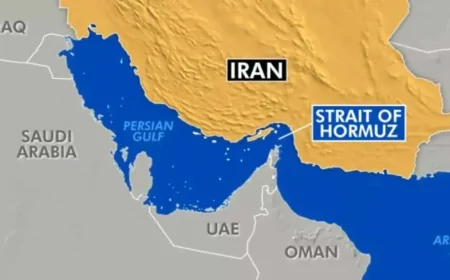
Tanker traffic through the Strait of Hormuz has effectively ground to a halt. Iran declared the strait closed following the initial US-Israeli strikes. The waterway carries 20% of the world's daily oil supply.
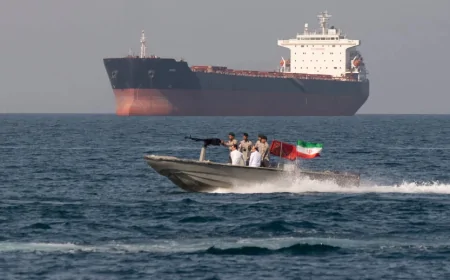
Three vessels have been struck in Gulf waters since the conflict began. Shipping companies and their insurers have halted transit. A bomb-carrying drone boat struck a Marshall Islands-flagged oil tanker in the Gulf of Oman, killing one mariner, according to Omani officials.
Satellite navigation systems in the strait are being disrupted, data analytics firm Kpler confirmed. The UK Maritime Trade Operations Center issued warnings of elevated electronic interference to vessels in the region.
Trump Stays Silent as Congress Pushes Back
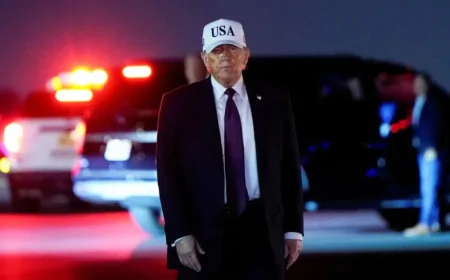
President Donald Trump has not delivered a formal public address since announcing the strikes in an edited video posted to social media in the early hours of Saturday morning. He has remained at his Mar-a-Lago club in Florida. Senior administration officials skipped Sunday morning television appearances entirely.
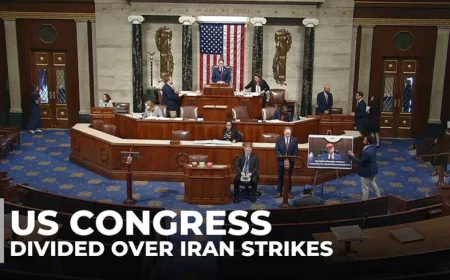
Congressional pressure is intensifying. Democrats and several Republicans are calling for a war powers vote to curb Trump's authority to continue military operations without legislative approval. Senator Tim Kaine of Virginia is leading a push for a formal resolution.
According to General Patricia Hoffman, Director of the Joint Chiefs Strategic Planning Division, "Major combat operations are ongoing and our forces are performing with extraordinary discipline under extreme pressure."
Trump made brief public comments late Sunday, acknowledging the deaths of US service members. "Sadly, there will likely be more before it ends," he said. "That's the way it is."
The European Response
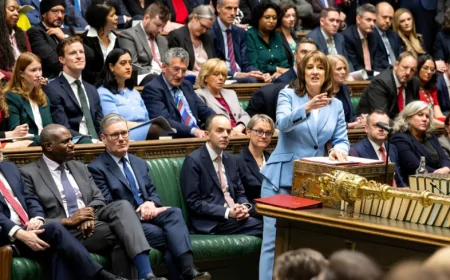
European Union High Representative Kaja Kallas issued a statement on behalf of all 27 EU member states calling for maximum restraint. She condemned Iran's retaliatory strikes while urging protection of civilians on all sides. UK Prime Minister Keir Starmer confirmed that Britain has granted the United States permission to use British military bases in the Middle East to intercept Iranian missiles.
In northern Iraq's Kurdish region, powerful explosions were reported near the US consulate and Erbil International Airport. Air defenses intercepted the attacks, according to local reports.
The US military also struck the Jurf al-Sakher base in southern Iraq, which houses Iran-backed paramilitary group Kataib Hezbollah. Two fighters were killed and five wounded in that operation, according to Iraqi state media.
With four American soldiers now confirmed dead and Iranian retaliation spreading across seven countries, the critical question facing every capital from Washington to Beijing is whether this war will widen further — or find a ceiling before the entire region ignites.