

Iran War Enters Day Four: Israel Strikes Presidential Office, Death Toll Hits 787
U.S. and Israeli forces struck Iran's Presidential Office and Supreme National Security Council building on Tuesday as the conflict entered its fourth day with 787 dead.
Key Takeaways
- U.S. and Israeli forces struck Iran's Presidential Office and Supreme National Security Council building on Tuesday as the conflict entered its fourth day with 787 dead.
- Israel Targets Iran's Core Government Buildings as War Enters Fourth DayFour days into one of the most significant military conflicts in the modern Middle East, U.S. and Israeli...
- Published: Mar 03, 2026 — Middle east

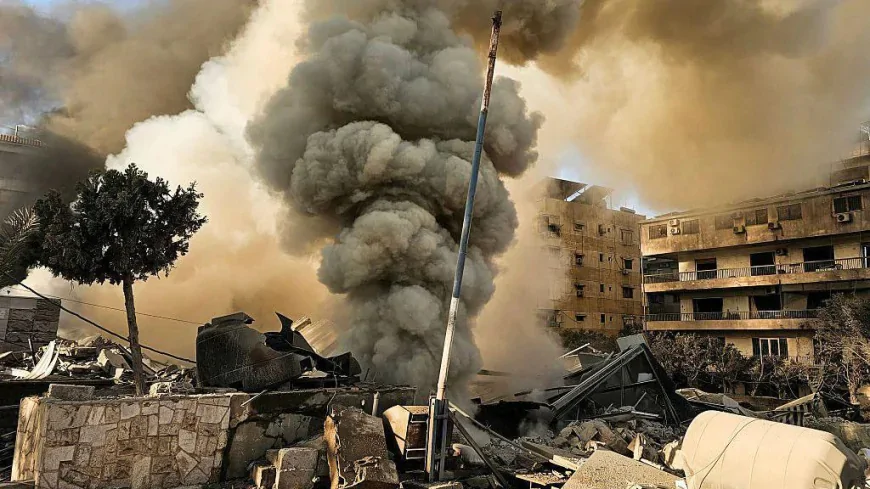
Israel Targets Iran's Core Government Buildings as War Enters Fourth Day
Four days into one of the most significant military conflicts in the modern Middle East, U.S. and Israeli warplanes struck Iran's Presidential Office and Supreme National Security Council building in Tehran on Tuesday morning, destroying two of the Islamic Republic's most symbolically charged government structures. The Israeli military confirmed the strikes in a statement, framing the operation as part of a continuing "forward defence" campaign that began on February 28 when the two nations launched coordinated attacks killing Iran's Supreme Leader Ayatollah Ali Khamenei and multiple senior military commanders.
The Iranian Red Crescent Society put the total death toll at 787 since hostilities began Saturday, with 1,039 separate attacks recorded and 504 sites struck across the country. Israel's air force said it had dropped more than 1,200 munitions across 24 of Iran's 31 provinces in the past 24 hours alone. Six U.S. service members have been killed in the conflict, U.S. Central Command confirmed on Monday after recovering the remains of two previously unaccounted personnel from a facility struck during Iranian retaliatory strikes.
Secretary of State Marco Rubio, briefing Congressional leaders on Capitol Hill, told reporters the war was far from its peak. According to Rubio, "the hardest hits are yet to come from the U.S. military." President Trump echoed the sentiment in separate remarks, saying, "The big wave hasn't even happened. The big one is coming soon."
Iran Opens New Fronts, Missiles Strike Gulf States
Iran's Islamic Revolutionary Guard Corps announced it had launched attacks on 27 bases across the Middle East where U.S. troops are deployed, in addition to targeting Israeli military facilities in Tel Aviv and other parts of Israel. Iranian missiles and drones struck the headquarters of the U.S. Navy's 5th Fleet in Bahrain's Juffair district. The country's international airport was also targeted by drones, resulting in material damage but no fatalities, according to Bahrain's Ministry of Interior.
The U.S. Embassy compounds in Riyadh and Kuwait City were struck by suspected Iranian drones. Saudi Arabia's defense ministry confirmed two drones hit the Riyadh compound, causing limited fire and minor structural damage. The State Department issued immediate evacuation orders for U.S. diplomatic facilities in Bahrain, Iraq and Jordan, while urging American citizens across 15 Middle Eastern countries to "depart now."
Kuwait's Defense Ministry confirmed that several U.S. warplanes crashed in the country — all crew members survived — and that Ali al-Salem Air Base was targeted by ballistic missiles, all of which were intercepted by Kuwaiti air defense systems. Jordan's armed forces reported intercepting 49 drones and ballistic missiles, with fragments causing localised property damage across several areas.
Lebanon Front Reignites, Hezbollah Declares Open War
A Lebanese military source told Al Jazeera on Tuesday that the army had pulled its troops back from the southern border with Israel after Israeli forces conducted a fresh ground incursion, the Israeli military describing it as a "forward defence" operation. Lebanon's state-run National News Agency confirmed the Lebanese army evacuated at least seven forward operating positions along the border following intensified Israeli air strikes on Beirut's Dahiyeh suburb.
Hezbollah, responding to what it called a declaration of war, issued a stark statement saying "the era of patience has ended" and that "open war" was now underway. The group launched six projectiles at a military base in northern Israel early Monday in retaliation for Khamenei's death. Israel responded with waves of strikes across Lebanon, killing at least 40 people and wounding at least 246, according to Lebanon's Health Ministry. At least 30,000 displaced people sought protection in shelters across Lebanon in the 24 hours following the escalation, the UN High Commissioner for Refugees said.
According to Dr. Randa Slim, Senior Fellow at the Middle East Institute, "What we are watching is the systematic dismantlement of Iran's command structure and its proxy deterrence network simultaneously — a strategic ambition that carries enormous risks of regional blowout that no party has yet fully planned for."
Dan Caine, chairman of the U.S. Joint Chiefs of Staff, confirmed the military was deploying additional troops and fighter jets to the region. Defense Secretary Pete Hegseth stated there were no U.S. ground troops inside Iran but declined to rule out a future deployment. Whether the conflict's declared objectives — which have shifted multiple times in four days — can be achieved without a ground component is a question neither Washington nor Jerusalem has yet answered definitively.
What's Your Reaction?
 Like
0
Like
0
 Dislike
0
Dislike
0
 Love
0
Love
0
 Funny
0
Funny
0
 Wow
0
Wow
0
 Sad
0
Sad
0
 Angry
0
Angry
0










Comments (0)