

US Congress Moves to Block Trump War Powers as Iran Conflict Spreads
Bipartisan congressional effort to restrict President Trump's military authority in Iran is gaining momentum after four US service members were killed in the third day of Operation Epic Fury.
Key Takeaways
- Bipartisan congressional effort to restrict President Trump's military authority in Iran is gaining momentum after four US service members were killed in the third day of Operation Epic Fury.
- Senate War Powers Push Gains Bipartisan Traction as US Casualties MountDemocrats are moving fast. So are a few Republicans.
- Published: Mar 02, 2026 — U.S. News

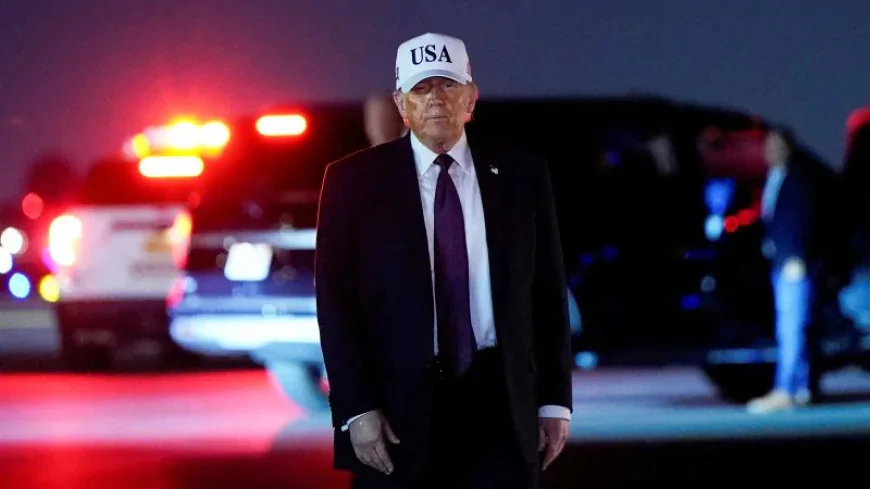
Senate War Powers Push Gains Bipartisan Traction as US Casualties Mount
Democrats are moving fast. So are a few Republicans. Four days into Operation Epic Fury and four American service members dead, Congress is making its most serious push in years to reclaim constitutional authority over a war the president launched without authorization.
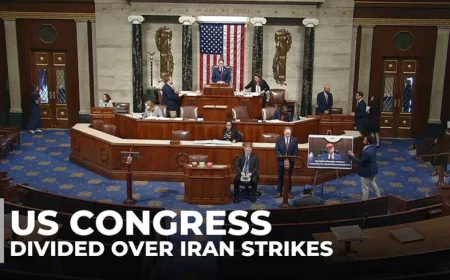
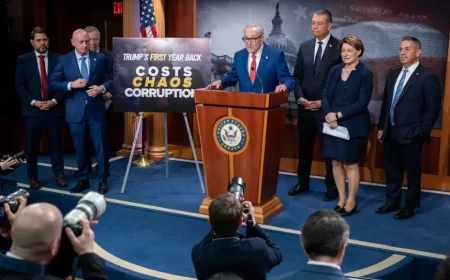
Senator Tim Kaine of Virginia is leading the effort in the Senate, backed by a coalition of Democrats and a handful of Republicans who broke with their party's traditional deference to executive war-making power. The resolution would require Trump to seek congressional approval to continue military operations against Iran.
Previous war powers efforts after US military actions in Syria and Somalia failed to clear the Senate. This one may face a different political environment — with casualties rising, oil prices surging, and Republican moderates facing difficult questions from constituents watching gas prices climb.
Trump Camp Defiant, Cites Presidential Authority
The White House has shown no sign of seeking congressional approval. Senior advisers argue that the president has full constitutional authority as commander-in-chief to order the strikes under existing authorizations for the use of military force.
Trump himself offered a blunt preview of his position in late Sunday comments. He acknowledged the deaths of US service members and added: "Sadly, there will likely be more before it ends. That's the way it is."
The administration has invoked Article II presidential authority and pointed to existing congressional authorizations against groups with ties to Iran as legal cover. Legal scholars have pushed back hard on that argument.
Political Fault Lines Deepen Inside GOP
From committed Trump opponents to previously loyal supporters, the Iran operation has produced unusual fractures inside the Republican Party. Representative Thomas Massie of Kentucky, a libertarian-leaning Republican who rarely breaks with the party on military matters, was among the first to publicly question the legal basis for the strikes.
Representative Ryan Zinke of Montana announced Monday that he will not seek reelection, becoming the latest Republican to retire rather than face a bruising primary fight in which the Iran operation could become a central issue.
According to Professor Elizabeth Goitein, Senior Director of the Brennan Center's Liberty and National Security Program, "The president does not have unlimited authority to wage sustained military campaigns without congressional approval. This is exactly the situation the War Powers Resolution was designed to address."
Historical Context: A Pattern of Presidential War-Making
The Trump administration is not the first to stretch presidential war powers to their limits. Barack Obama used existing authorizations to expand operations across the Middle East. George W. Bush launched the 2003 Iraq invasion with explicit congressional authorization — a path Trump has not taken.
The War Powers Resolution of 1973 requires the president to notify Congress within 48 hours of committing US forces to hostilities and to withdraw those forces within 60 days unless Congress authorizes continued action. Trump notified Congress on Saturday. The 60-day clock is now running.
Whether Congress has the votes and the will to impose real constraints on the president's authority — or whether this becomes another failed legislative gesture — will shape not only the Iran conflict but the constitutional balance between branches for years to come.
What's Your Reaction?
 Like
0
Like
0
 Dislike
0
Dislike
0
 Love
0
Love
0
 Funny
0
Funny
0
 Wow
0
Wow
0
 Sad
0
Sad
0
 Angry
0
Angry
0









Comments (0)