
























FIA Postpones Qatar WEC Race as Middle East Conflict Makes Competition Impossible
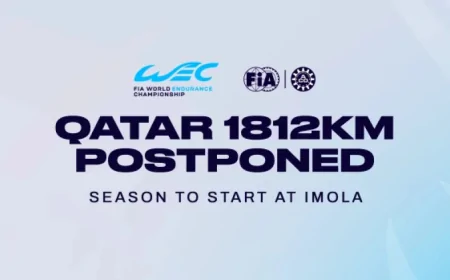
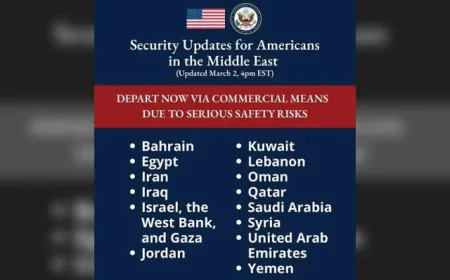
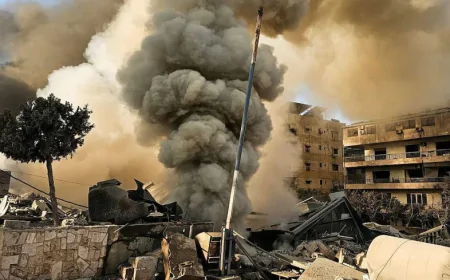
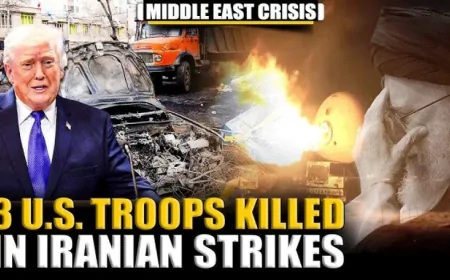
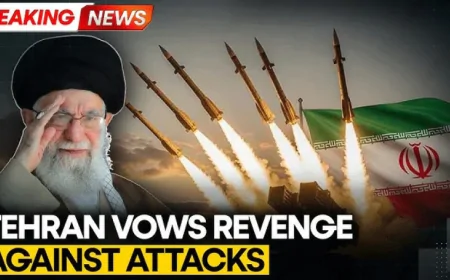
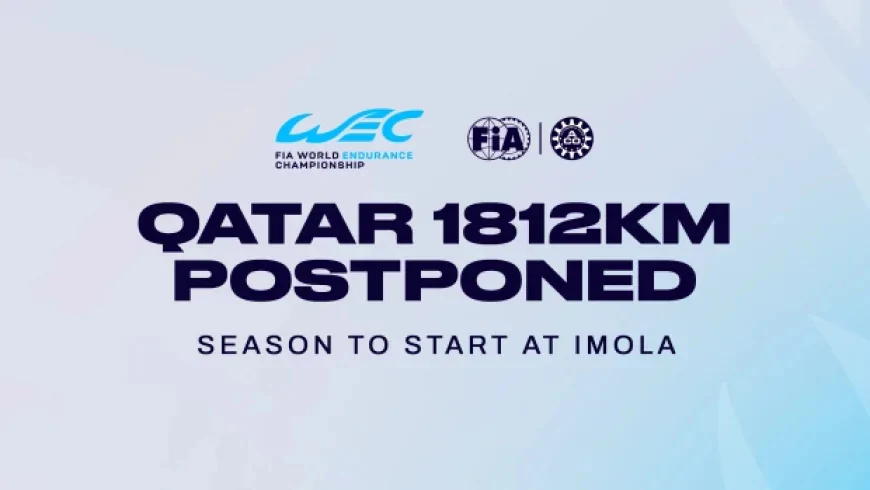
The FIA formally postponed the Qatar leg of the 2026 World Endurance Championship, citing safety concerns as Iranian missile and drone attacks continued across the Middle East region.
FIA Pulls Qatar Race From Calendar as Middle East War Makes Competition Unsafe
The Fédération Internationale de l'Automobile formally postponed the Qatar round of the 2026 FIA World Endurance Championship on Tuesday, citing the ongoing and evolving geopolitical situation in the Middle East as Iranian missile and drone attacks continued across the region. The race had been scheduled for March 26 to 28 at the Lusail International Circuit in Lusail, Qatar — the same venue that hosted the Formula One Qatar Grand Prix. The FIA said in a statement that safety and security of competitors, personnel and fans were the overriding considerations behind the decision.
The FIA said it had been "in constant dialogue with Qatar Motor & Motorcycle Federation in light of the current and evolving geopolitical situation in the Middle East" before reaching the decision. The organisation was careful to frame the postponement as a delay rather than a cancellation, noting that rescheduling would be pursued as conditions permitted. No new date was announced Tuesday.
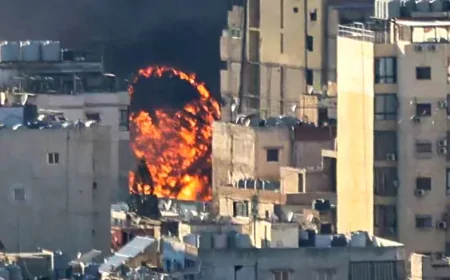
The postponement reflects the breadth of the conflict's disruption to international events across the Gulf. Qatar's Doha airport hub, one of the three major connecting hubs for global aviation, was effectively closed as the U.S.-Israel strikes on Iran drew the region into a wider conflict. Qatar's national airline had suspended operations, stranding an estimated 8,000 transit passengers in Doha alone.
Motorsport's Gulf Footprint Under Pressure
The Middle East had become an increasingly central pillar of the global motorsport calendar over the past decade, with Formula One, MotoGP, the WEC and multiple other series establishing Gulf race weekends that combined high prize money, enthusiastic local audiences and premium sponsorship opportunities. The region's warm winter climate made it ideal for events during the European off-season, while state-backed investment had funded world-class circuit infrastructure.
The Qatar WEC postponement is almost certainly not the last event casualty the conflict will produce. Multiple motorsport series with scheduled Gulf events in March, April and May were reported to be reviewing their calendars in light of the EASA conflict zone ban and the continued missile threat across Bahrain, Kuwait, the UAE and Qatar. Formula One's Bahrain Grand Prix, traditionally the opening race of the F1 season, was under discussion according to multiple paddock sources, though no formal announcement had been made by Tuesday afternoon.
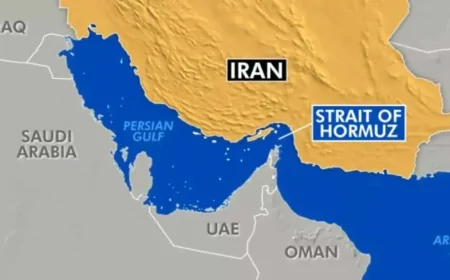
The WEC's broader 2026 season schedule was also under pressure from the Hormuz closure's impact on global logistics. Transporting the teams' specialist racing equipment between continents relies on the same air freight routes now disrupted by the conflict, with several teams reporting delays in equipment movements already underway.
Sports Events Globally Adapting to New Reality
The postponement came as sports organisations worldwide were being forced to adapt to a geopolitical situation that had moved faster than their event calendars. Insurance policies for events in the Middle East typically exclude military conflict from coverage, meaning that organisers, sponsors and broadcasters faced financial exposure from postponements without the safety net that standard event cancellation insurance would provide.
Sports travel agents and tour operators were navigating a wave of client cancellations for events across the region, compounding the tourism losses already being absorbed by Gulf states as commercial aviation shut down. The economic cost to Qatar of postponed or cancelled international events was estimated by local tourism officials at hundreds of millions of riyals across the spring calendar.
According to Frédéric Lequien, CEO of FIA World Endurance Championship, "The safety of everyone in our paddock is non-negotiable — and the situation on the ground in Qatar and across the Gulf region makes it impossible to guarantee that safety at this moment in time."
When racing returns to the Gulf will depend on factors entirely outside motorsport's control: the trajectory of the U.S.-Iran conflict, the duration of the Hormuz closure, and whether the diplomatic and military situation stabilises before the summer racing calendar forces further decisions about events in the broader Middle East region.