

QatarEnergy Halts LNG Output as Iran War Disrupts Global Gas Supply
QatarEnergy has halted liquefied natural gas production as the Iran war spreads, sending European natural gas prices surging more than 40% and threatening winter energy supplies across the continent.
Key Takeaways
- QatarEnergy has halted liquefied natural gas production as the Iran war spreads, sending European natural gas prices surging more than 40% and threatening winter energy supplies across the continent.
- QatarEnergy Stops LNG Production as Iran War Reaches the Gas MarketQatar has gone dark. QatarEnergy, one of the world's top suppliers of liquefied natural gas, halted production...
- Published: Mar 02, 2026 — Business

QatarEnergy Stops LNG Production as Iran War Reaches the Gas Market
Qatar has gone dark. QatarEnergy, one of the world's top suppliers of liquefied natural gas, halted production Monday as the conflict in the Middle East reached a tipping point for global energy markets. The decision sent European natural gas futures surging more than 40% in a single trading session.
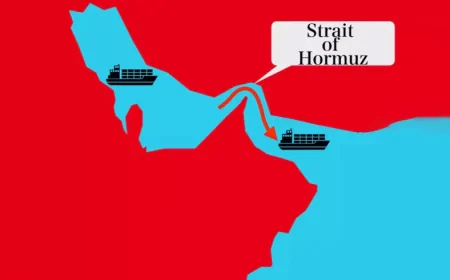
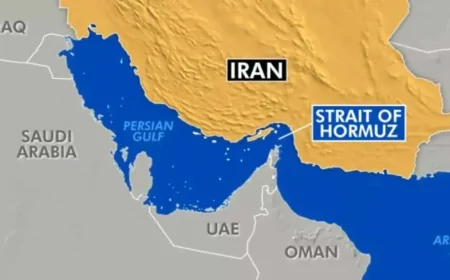
The Strait of Hormuz is not just an oil corridor. It is also the primary export route for Qatar's LNG — the natural gas shipped around the world in liquid form to heat homes, generate electricity, and power industry. With tanker traffic through the strait effectively stopped and Iranian drones attacking vessels in the Gulf, Qatar made the call to pause rather than risk its ships.
The timing could not be worse for European energy planners. The continent has spent two years rebuilding gas storage reserves after the disruption of Russian supplies following Moscow's invasion of Ukraine. Those reserves are now being drawn down faster than expected in the final weeks of a cold winter. A prolonged Qatar outage would hit European consumers directly.
Europe's Gas Dependency: A Vulnerability That Never Went Away
The European Commission held an emergency call with energy ministers from member states Monday afternoon. The continent has diversified its LNG sources since 2022 — the United States has become the world's largest LNG exporter and supplies a growing share of European demand — but Qatar's volumes cannot be easily replaced in the short term.
The US is the world's largest LNG exporter following recent investment in terminal capacity. Higher prices overseas are good news for American LNG companies — but contribute to rising electricity costs domestically. The energy price political dynamic cuts in multiple directions.
Norway, the only major non-LNG gas supplier to Europe via pipeline, confirmed it was operating at near maximum capacity. Spot LNG shipments from the US and Australia are being diverted toward European ports, but shipping logistics mean any meaningful increase in volume takes weeks to organize.
Industrial Users Face Immediate Disruption
European chemical plants, steel mills, and fertilizer producers that run on natural gas began issuing force majeure notices Monday. High gas prices in 2022 caused dozens of European industrial facilities to curtail production or close entirely. The same playbook is being dusted off.
Germany, which eliminated its nuclear capacity in 2023, is the most exposed major European economy. Its gas storage was at approximately 60% capacity heading into Monday's session — enough for several weeks of current consumption but not enough to absorb a prolonged supply shock comfortably.
According to Maria Schultz, Chief Energy Analyst at Aurora Energy Research, "If Qatar's production halt extends beyond two weeks, European buyers will face spot prices not seen since the 2022 energy crisis. The market has been assuming a short conflict. That assumption is now being tested."
When Will Qatar Resume?
QatarEnergy gave no timeline for resuming production. The company cited vessel safety concerns and the disruption to GPS navigation systems in the Gulf as the primary reasons for the halt. A senior official said the decision would be reviewed daily as the military situation evolves.
The International Energy Agency issued a brief statement urging member countries to coordinate emergency stock releases and calling for maximum LNG export capacity from non-affected producing nations. Australian producers confirmed they were examining whether additional spot cargoes could be diverted to Europe in the near term.
The global LNG market was already tight heading into this week. Qatar's exit has removed the market's most critical swing supplier at the worst possible moment — and left European capitals calculating, for the second time in three years, what winter would cost if the gas stopped flowing.
What's Your Reaction?
 Like
0
Like
0
 Dislike
0
Dislike
0
 Love
0
Love
0
 Funny
0
Funny
0
 Wow
0
Wow
0
 Sad
0
Sad
0
 Angry
0
Angry
0









Comments (0)