

OPEC+ Raises Output 220,000 Bpd as Iran War Rocks Energy Markets
OPEC+ announced a larger-than-expected production increase of 220,000 barrels per day Sunday in an attempt to stabilize oil prices rattled by the US-Israel strike on Iran.
Key Takeaways
- OPEC+ announced a larger-than-expected production increase of 220,000 barrels per day Sunday in an attempt to stabilize oil prices rattled by the US-Israel strike on Iran.
- OPEC+ Boosts Output in Emergency Move to Calm Oil Markets After Iran StrikeOPEC+ moved to get ahead of the crisis. The oil-producing cartel announced Sunday it would raise its c...
- Published: Mar 02, 2026 — Business

OPEC+ Boosts Output in Emergency Move to Calm Oil Markets After Iran Strike
OPEC+ moved to get ahead of the crisis. The oil-producing cartel announced Sunday it would raise its collective production quota by 220,000 barrels per day — significantly above the previously expected adjustment of 137,000 bpd — in a direct response to the market turbulence triggered by the US-Israeli attack on Iran. The decision came as oil futures braced for their first full trading session since the strikes began.
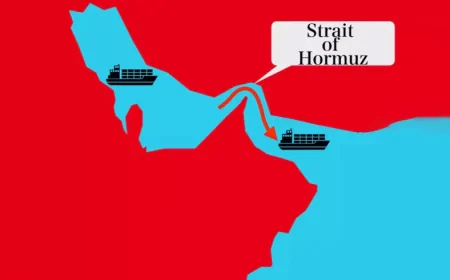
Iran is a founding member of OPEC and produces approximately 3.1 million barrels per day, roughly 3 percent of global output. Its ability to continue exporting oil amid active US and Israeli military operations is now genuinely uncertain. More critically, any Iranian move to close or mine the Strait of Hormuz — through which 13 million barrels of crude pass daily — would create a supply shock that no OPEC+ output increase could immediately offset.
Industry sources told Reuters that the OPEC+ decision was driven by Saudi Arabia and the UAE, who sought to send a calming signal to global markets and prevent oil prices from spiking to levels that could accelerate a global economic recession. Saudi Arabia holds approximately 2 to 3 million barrels per day of spare production capacity and can deploy it quickly.
Market Analysts Skeptical the Increase Will Contain Prices
Most oil market analysts greeted the OPEC+ announcement with restrained skepticism. The 220,000 bpd increase represents less than 0.25 percent of global oil demand of approximately 104 million barrels per day. Against the backdrop of a potential Hormuz closure that could remove 13 million barrels per day from global supply, the additional output is described by traders as "symbolically useful but numerically inadequate."
David Roche of Quantum Strategy framed the market impact in stark terms. If the Iran conflict is short and contained, he said, the oil spike could be brief. If it turns into a three-to-five-week "regime change endeavor," markets would react "rather badly" as investors price in a wider, longer disruption.
According to Giovanni Staunovo, commodity analyst at UBS, "The OPEC+ increase tells you that major producers are worried about demand destruction from a price spike that is too fast and too sharp. But the signal markets want to see is that the Strait of Hormuz remains open. Until they see that, no production increase will fully calm sentiment."
Iran's Export Infrastructure Under Threat
Iran's primary oil export terminal at Kharg Island, which handles approximately 90 percent of the country's crude exports, has not been directly targeted in Operation Epic Fury as of Sunday evening. Analysts and oil executives said the decision to spare Kharg Island — so far — suggests Washington understands the catastrophic market consequences of taking it offline.
J.P. Morgan Global Research had previously forecast Brent crude averaging around $60 per barrel in 2026 based on soft supply-demand fundamentals. That baseline assumed geopolitical risks would remain manageable. With a supreme leader killed and a major war underway, that forecast is now widely considered obsolete.
The central question hanging over oil markets is simple and unanswerable today: will Iran attempt to close the Strait of Hormuz, and if it does, how will the US Navy respond — and how long will the world's most critical oil transit corridor remain a battlefield rather than a shipping lane.
What's Your Reaction?
 Like
0
Like
0
 Dislike
0
Dislike
0
 Love
0
Love
0
 Funny
0
Funny
0
 Wow
0
Wow
0
 Sad
0
Sad
0
 Angry
0
Angry
0












Comments (0)