

Trump Says US-Iran Talks Show Promise as Blockade Ships Disabled
Trump said US-Iran talks show promise even as a fifth blockade ship was disabled, keeping tensions high around the contested Strait of Hormuz waterway.
Key Takeaways
- Trump said US-Iran talks show promise even as a fifth blockade ship was disabled, keeping tensions high around the contested Strait of Hormuz waterway.
- Trump Signals Openness to Iran Talks Amid Ongoing Blockade President Donald Trump said Sunday that the United States is holding direct talks with Iran and that "good things can...
- Published: Jul 27, 2026 — Middle east

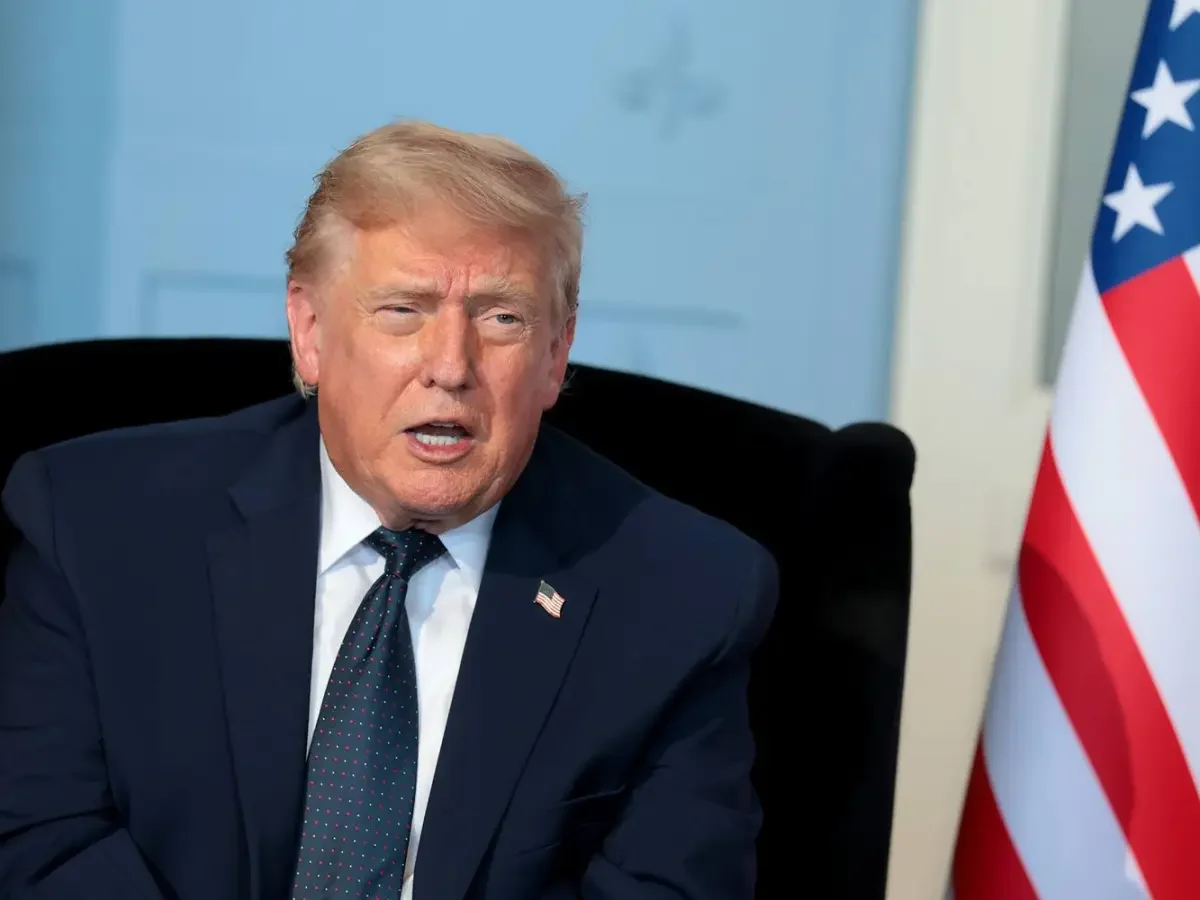
Trump Signals Openness to Iran Talks Amid Ongoing Blockade
President Donald Trump said Sunday that the United States is holding direct talks with Iran and that "good things can happen," striking a notably softer tone after nearly five months of intermittent strikes between Washington and Tehran centered on control of the Strait of Hormuz. Speaking to reporters aboard Air Force One en route to Michigan, Trump again denied that US forces are running low on munitions, even as he indicated he was not interested in dragging out negotiations indefinitely.
Iran's response came in far more combative terms. Tehran's top joint military command said the country was "stuck and struggling" after five months of a war it says began under Israeli influence, and warned that the United States would "inevitably pay the price" for the conflict. The exchange came just days after the US paused its bombing campaign against Iranian targets, breaking a streak of near-daily strikes that had stretched for almost two weeks, following a Friday meeting in which a senior US Central Command officer reportedly recommended halting the campaign because it had reached the limits of its effectiveness.
Blockade and Disabled Vessels Keep Tensions High at Sea
Even as diplomatic signals shifted, the maritime standoff at the heart of the conflict showed no sign of easing. US forces disabled a fifth ship attempting to move through waters tied to the blockade reimposed against Iranian shipping on July 14, according to reporting reviewed by ABC News, underscoring that the naval standoff around the strait remains active regardless of the diplomatic overtures exchanged over the weekend. Iran's military separately accused Ukraine of striking an Iranian vessel in the Caspian Sea, killing one sailor and injuring another, calling the incident a criminal act, a claim that adds a new front to an already tangled web of regional confrontations.
Oman's government, which has served as an intermediary between Washington and Tehran throughout the conflict, said a delegation's weekend visit to Iran produced "fruitful" discussions with "some progress," according to Iranian Foreign Ministry spokesman Esmail Baghaei. The Omani-brokered channel has been central to the limited diplomatic contact that has continued even as strikes persisted, and Baghaei's comments suggest Muscat sees an opening for further engagement in the days ahead.
The pause in bombing followed weeks of near-continuous strikes that began after Iran declared closure of the Strait of Hormuz and launched missile and drone attacks against Gulf neighbors in retaliation for renewed US action, following an earlier attack on a merchant vessel that was abandoned in flames by its crew. Since then, the US has expanded its target list to include bridges inside Iran, while Tehran has struck US-linked bases across the Gulf, a tit-for-tat escalation that both sides now appear, at least temporarily, to be stepping back from.
Political Costs Mount on Both Sides
The conflict has already claimed American lives, with the Pentagon confirming the death of Army Sgt. Angel Rampersad, 28, of Ozone Park, New York, during an enemy attack at Muwaffaq Salti Air Base in Jordan earlier this month. Rampersad was posthumously promoted to staff sergeant, joining three other American service members killed in the same attack who received similar posthumous honors. The mounting casualties have added pressure on the Trump administration as it weighs whether to expand military action, with the New York Times reporting Friday that Trump met with top advisers behind closed doors to discuss options that reportedly included a significant escalation against Iran.
Domestically, the war has become a flashpoint in American politics, with the Senate previously backing an Iran war powers resolution amid pressure from within Trump's own party over the administration's handling of the conflict. Analysts have noted that the fighting's toll on global oil markets and shipping routes, layered onto an already fraught election-year climate, has made the war a persistent undercurrent in domestic political debate even as the front lines remain thousands of miles away.
Vice President JD Vance had earlier described progress in the US-Iran talks in more cautious terms, characterizing the process as marked by both "threatening" rhetoric from Tehran and what he called "whining" over the terms under discussion. That mixed diplomatic signal has been a recurring feature of the conflict's negotiating track since talks first began in June, with breakthroughs frequently followed by setbacks, including an early snag after planned talks in Switzerland failed to proceed as scheduled.
Background & Context
The current phase of the conflict traces back to February, when Trump announced what he called "major combat operations" against Iran, backed by joint US-Israeli strikes on military, government, and infrastructure sites. Delegations from both countries had entered negotiations in June aimed at a war-ending agreement built around a memorandum of understanding both sides had signed, according to reporting on the broader Strait of Hormuz standoff that has since become the conflict's central flashpoint. Despite that early diplomatic framework, the US and Iran have continued to trade strikes in the months since, with the narrow waterway, through which roughly a fifth of the world's oil once passed freely, now under partial Iranian control.
Regional analysts cited by NPR have warned that the current arrangement, in which Iran controls passage through the strait, could set a precedent that emboldens other nations to assert similar claims over critical global waterways, a concern that has shaped diplomatic calculations well beyond the immediate combatants. The conflict has also drawn in a widening circle of countries, from Yemen's Houthi rebels striking Red Sea shipping to Qatar's foreign minister engaging directly with Iranian counterparts over fears that fighting near the Al Udeid base could further destabilize the wider Gulf region.
For now, the combination of a battlefield pause, an unresolved diplomatic track through Oman, and continued disabling of ships tied to the blockade leaves the conflict in an uneasy holding pattern, one that could tip toward a broader ceasefire or a renewed escalation depending on how the coming days of talks unfold.
Frequently Asked Questions
What happened?
Trump said the US and Iran are in direct talks and "good things can happen," even as Iran's military vowed the US would "pay the price" and a fifth ship was disabled under the ongoing blockade.
Why does this matter?
The exchange signals a possible diplomatic opening after nearly five months of fighting centered on the Strait of Hormuz, a waterway critical to global oil shipments.
Who is affected?
US service members have died in the conflict, global shipping routes remain disrupted, and Gulf states including Qatar and Bahrain face spillover risks from the ongoing hostilities.
What happens next?
Oman-brokered talks are set to continue, though the US pause in bombing and continued ship disabling suggest both sides remain far from a formal ceasefire agreement.
What's Your Reaction?
 Like
0
 Dislike
0
 Love
0
 Funny
0
 Wow
0
 Sad
0
 Angry
0










Comments (0)