

Venezuela Opposition Leader Maria Corina Machado Arrested by Maduro Security Forces in Caracas
Venezuelan opposition leader Maria Corina Machado was arrested by Maduro government security forces in Caracas on February 26 2026 in what the U.S. EU and Latin American governments immediately condemned as a politically motivated detention of the country's most prominent democracy advocate.
Key Takeaways
- Venezuelan opposition leader Maria Corina Machado was arrested by Maduro government security forces in Caracas on February 26 2026 in what the U.S. EU and Latin American governments immediately condemned as a politically motivated detention of the country's most prominent democracy advocate.
- Venezuela's Machado Arrested in Caracas as Maduro Escalates Crackdown on OppositionMaria Corina Machado, Venezuela's most prominent opposition leader and the woman who galvanize...
- Published: Feb 25, 2026 — World News

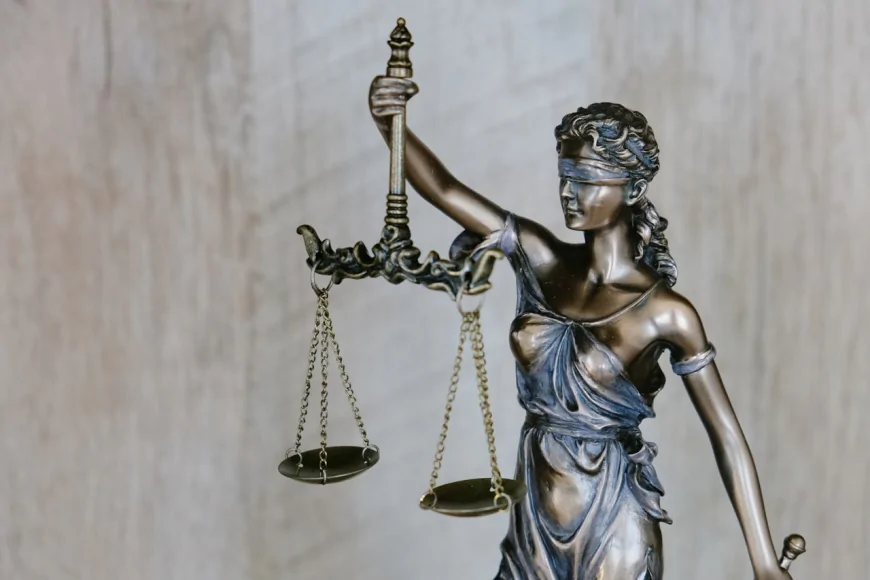
Venezuela's Machado Arrested in Caracas as Maduro Escalates Crackdown on Opposition
Maria Corina Machado, Venezuela's most prominent opposition leader and the woman who galvanized millions of Venezuelans against Nicolas Maduro's government in last year's disputed presidential election, was arrested Wednesday by agents of the Bolivarian Intelligence Service — known by its Spanish acronym SEBIN — at her home in the Altamira neighborhood of Caracas. The arrest took place at approximately 6:15 a.m. local time. No formal charges had been publicly filed as of Wednesday afternoon.
Machado's legal team confirmed the detention through her official social media accounts, which her staff manage in emergency protocols. The team said she was taken without a judicial warrant and that her whereabouts were not immediately disclosed to her attorneys, a violation of Venezuelan procedural law that her lawyers said they would challenge immediately in court — to whatever extent Venezuelan courts retain independence from the executive.
The Political Context Behind the Arrest
Machado has been a thorn in Maduro's side for years, but her prominence surged after last July's presidential election in which independent observers and the opposition's own tallies showed opposition candidate Edmundo González winning by a substantial margin. Maduro's electoral authority declared him the winner anyway. Machado organized mass protests that drew hundreds of thousands into the streets across Venezuela and internationally.
González fled to Spain after being threatened with arrest. Machado remained in Venezuela, moving frequently and operating semi-clandestinely while continuing to speak publicly, give international media interviews, and coordinate opposition activity. Her continued presence inside the country had been seen as both an act of defiance and a strategic choice — she believed leaving would diminish her domestic political standing.
According to Dr. Geoff Ramsey, director of the Venezuela program at the Washington Office on Latin America, arresting Machado is an extraordinarily high-stakes move for Maduro. She is probably the most internationally recognized Venezuelan opposition figure alive. This is not a low-profile political prisoner situation. This will generate immediate and sustained international pressure.
International Reaction and What Comes Next
The reaction was immediate and sharp. U.S. Secretary of State Marco Rubio called the arrest an outrageous act of political repression and said the United States would impose new targeted sanctions on Venezuelan officials responsible. The European Union's foreign policy chief Josep Borrell issued a statement demanding Machado's immediate and unconditional release. Brazil, Colombia, Chile, and Argentina — all led by left-leaning governments that have been cautious in their criticism of Maduro — each issued statements expressing serious concern.
The UN Human Rights office called for Machado's release and said her detention appeared to violate Venezuela's own constitution as well as international human rights standards.
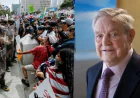
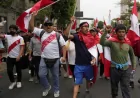
In Caracas, small groups of protesters gathered outside the SEBIN headquarters before being dispersed by security forces using tear gas. Opposition networks called for a national strike Thursday in response to the arrest.
Whether Maduro's calculation — that arresting Machado will silence the opposition more than it will energize it — proves correct may well determine the trajectory of Venezuelan politics for years. History suggests it is a gamble that authoritarian governments more often lose than win.
What's Your Reaction?
 Like
0
Like
0
 Dislike
0
Dislike
0
 Love
0
Love
0
 Funny
0
Funny
0
 Wow
0
Wow
0
 Sad
0
Sad
0
 Angry
0
Angry
0


Comments (0)