

Dow Drops 822 Points as Tariff Chaos and AI Spending Fears Hammer Wall Street
Wall Street suffered its worst single-day loss of 2026 as the Dow shed 822 points amid a perfect storm of Supreme Court tariff turmoil, a presidential counter-tariff order, and deepening investor skepticism about the return on massive AI infrastructure spending.
Key Takeaways
- Wall Street suffered its worst single-day loss of 2026 as the Dow shed 822 points amid a perfect storm of Supreme Court tariff turmoil, a presidential counter-tariff order, and deepening investor skepticism about the return on massive AI infrastructure spending.
- Wall Street's Worst Day of 2026: Tariff Chaos Wipes $1.4 Trillion Off Market ValueThe opening bell barely had time to ring before the selling started. Monday was brutal on Wall ...
- Published: Feb 24, 2026 — Middle east

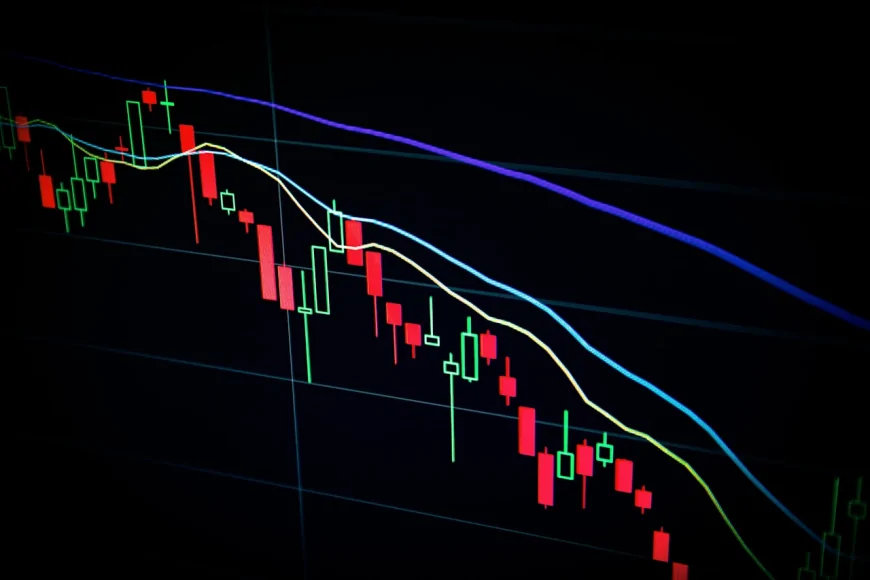
Wall Street's Worst Day of 2026: Tariff Chaos Wipes $1.4 Trillion Off Market Value
The opening bell barely had time to ring before the selling started. Monday was brutal on Wall Street. The Dow Jones Industrial Average fell 822 points — its steepest single-session decline of the year. The S&P 500 dropped 2.1%. The Nasdaq Composite lost 2.6%. When trading closed, roughly $1.4 trillion in market value had evaporated.
Two forces drove the rout. The Supreme Court's tariff ruling in the morning scrambled trade expectations. Trump's 15% counter-tariff order two hours later scrambled them again, in the opposite direction. Investors who thought they had clarity were suddenly staring at a new reality — and they did not like it.
Import-Dependent Sectors Take the Hardest Hits
Retail and consumer electronics stocks led the decline. Target fell 6.8%. Best Buy dropped 7.2%. Nike shed 5.9%. The calculation was straightforward and grim: a blanket 15% tariff on all imports means higher input costs that either compress margins or get passed to consumers. Neither outcome is good for equities.
The automotive sector was also punished. Ford fell 4.1%, General Motors dropped 3.8% — both companies heavily exposed to cross-border supply chains with Mexico and Canada. The semiconductor sector, which had rallied earlier in February on AI demand optimism, gave back much of those gains. Nvidia slipped 3.4%, Apple fell 2.9%.
Treasury yields moved higher as investors reassessed inflation expectations. A 15% blanket tariff, economists warned, is essentially a consumption tax. The Federal Reserve, which has been cautious about cutting rates, is now caught between slowing growth and renewed inflationary pressure. According to chief market strategist at Raymond James, Tom Graff, the Fed is in an impossible position. Tariff-driven inflation is not the kind you address with interest rates without doing real economic damage.
Goldman Sachs Drops a Bombshell on AI Spending
The tariff drama was not the only thing rattling investor confidence. A Goldman Sachs research note circulated widely on Monday contained a finding that stopped many in the technology sector cold: despite hundreds of billions of dollars poured into artificial intelligence infrastructure in 2025, the measurable contribution to US GDP growth was, in the firm's analysis, basically zero.
The note did not argue that AI is worthless — it argued that the productivity gains from AI adoption have not yet materialized in the macroeconomic data, and that the timeline for those gains may be considerably longer than the market has priced in. For the Magnificent Seven stocks — which have justified enormous valuations on the basis of AI monetization — that is a troubling assessment.
Microsoft is down 18% year-to-date. Tesla has shed 8%. Amazon is off 8%. Meta is the lone relative outperformer among the group. The Goldman note added fuel to a fire of doubt that has been smoldering under the AI trade for months. The question now facing markets is whether Monday was a correction or the beginning of something more significant.
What's Your Reaction?
 Like
0
Like
0
 Dislike
0
Dislike
0
 Love
0
Love
0
 Funny
0
Funny
0
 Wow
0
Wow
0
 Sad
0
Sad
0
 Angry
0
Angry
0














Comments (0)