

Trump 15 Percent Global Tariffs Take Effect Sending Wall Street Into a Freefall
President Trump signed sweeping 15 percent global tariffs into law on February 24 2026 triggering a nearly 800-point Dow Jones drop and sparking immediate retaliation threats from the EU China Canada and Mexico as businesses warn of significant consumer price hikes.
Key Takeaways
- President Trump signed sweeping 15 percent global tariffs into law on February 24 2026 triggering a nearly 800-point Dow Jones drop and sparking immediate retaliation threats from the EU China Canada and Mexico as businesses warn of significant consumer price hikes.
- Markets Crater as Trump 15 Percent Global Tariff Order Goes LiveThe numbers told the story before the opening bell even rang. Dow futures were already down 600 points when marke...
- Published: Feb 24, 2026 — World News

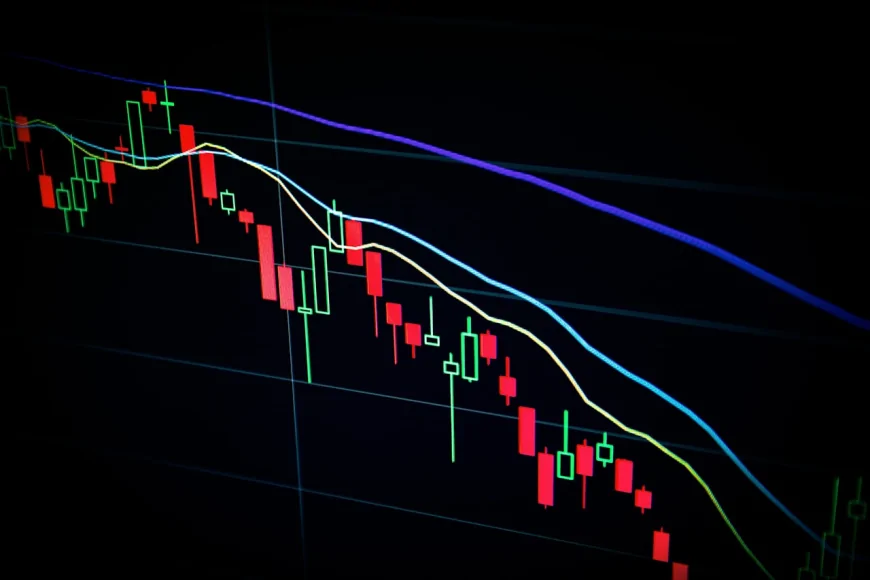
Markets Crater as Trump 15 Percent Global Tariff Order Goes Live
The numbers told the story before the opening bell even rang. Dow futures were already down 600 points when markets opened Tuesday morning. By noon, the Dow Jones Industrial Average had shed nearly 800 points. The S&P 500 dropped 2.4 percent. The Nasdaq slid close to 3 percent.
The cause was swift and decisive: President Donald Trump signed an executive order late Monday night imposing a blanket 15 percent tariff on virtually all imports entering the United States, effective immediately as of February 24, 2026. The move represents one of the most sweeping trade actions in modern American history, and global markets did not take it quietly.
What the Tariff Covers and Who Gets Hit Hardest
Unlike previous targeted tariffs on steel, aluminum, or specific countries, this order is broad. Electronics. Clothing. Automobiles. Agricultural goods. Pharmaceuticals. The 15 percent rate applies across the board, with narrow carve-outs for a handful of goods deemed critical to national security.
Retailers were among the first to respond publicly. Walmart, Target, and Best Buy each issued statements warning that price increases for consumers could arrive within weeks. The Consumer Technology Association estimated that laptop prices alone could rise by an average of $200 per unit.
According to trade economist Dr. Patricia Huang at the Peterson Institute for International Economics, a uniform 15 percent tariff of this scope is effectively a tax on American consumers. The question is not whether prices will rise. They will. The question is how fast and by how much.
Global Retaliation Already Taking Shape
The European Union announced it was convening an emergency trade council session Tuesday afternoon. China Commerce Ministry released a statement calling the tariffs a unilateral act of economic aggression and hinting at countermeasures. Canada Prime Minister said retaliatory tariffs on U.S. goods were on the table and being actively designed.
Mexico, which shares the world largest bilateral trade relationship with the U.S., scheduled an emergency cabinet meeting. The peso fell 2.1 percent against the dollar within hours of the announcement.
Press Secretary statements from the White House framed the tariffs as a long-overdue correction meant to rebuild American manufacturing and reduce trade deficits. But critics on both sides of the aisle pushed back hard. Several Republican senators expressed alarm about retaliatory measures that could devastate American farmers who depend heavily on export markets.
If the EU and China follow through with retaliatory measures, economists warn the situation could escalate into a full-blown global trade war with consequences that would dwarf the disputes of Trump first term. The next 72 hours may well define the economic trajectory of 2026.
What's Your Reaction?
 Like
0
Like
0
 Dislike
0
Dislike
0
 Love
0
Love
0
 Funny
0
Funny
0
 Wow
0
Wow
0
 Sad
0
Sad
0
 Angry
0
Angry
0










Comments (0)