

US Orders Embassy Staff Out of Beirut as Regional Tensions Spike to Highest Level Since 2006
The U.S. State Department issued an ordered departure notice for non-essential embassy personnel in Beirut on February 24 2026 amid sharply escalating regional tensions involving Hezbollah Iran and Israel that analysts warn could signal the early stages of a wider Middle East conflict.
Key Takeaways
- The U.S. State Department issued an ordered departure notice for non-essential embassy personnel in Beirut on February 24 2026 amid sharply escalating regional tensions involving Hezbollah Iran and Israel that analysts warn could signal the early stages of a wider Middle East conflict.
- American Diplomats Leaving Beirut: What Washington Knows That We Don't When the State Department orders embassy staff to leave, it is rarely without cause. The wording is alway...
- Published: Feb 24, 2026 — World News

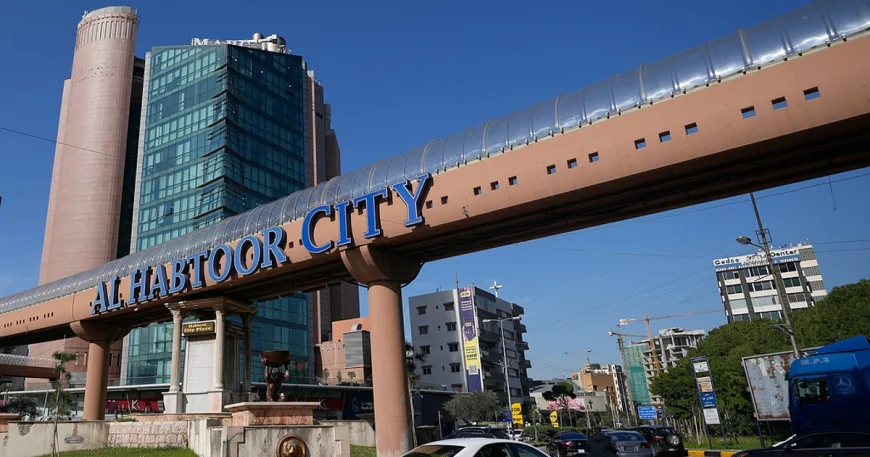
American Diplomats Leaving Beirut: What Washington Knows That We Don't
When the State Department orders embassy staff to leave, it is rarely without cause. The wording is always careful. Authorized departure. Ordered departure. The distinction between non-emergency personnel and essential staff. But the meaning is almost always the same: something is coming, and Washington does not want its people in the way when it arrives.
On Tuesday, February 24, the State Department issued an ordered departure notice for non-essential personnel at the U.S. Embassy in Beirut, Lebanon. The notice cited security conditions and urged American citizens throughout Lebanon to consider leaving immediately via commercial means while they remain available.
The Intelligence Picture Behind the Decision
Officials would not specify what triggered the order. But the regional context offers significant clues. Tensions along the Lebanon-Israel border, which had stabilized under a U.S.-brokered ceasefire agreement in late 2024, have been deteriorating for weeks. Multiple ceasefire violations have been reported on both sides. Hezbollah has conducted several cross-border drone operations in recent days. Israeli air defense systems have been placed on heightened alert.
Simultaneously, indirect nuclear negotiations between the U.S. and Iran collapsed last week with no new date set for talks. Iran has since announced it is accelerating uranium enrichment to 84 percent purity, one step below weapons-grade. American military assets in the region have been quietly repositioned in recent days, according to two defense officials who spoke on condition of anonymity.
According to Dr. Randa Slim, a senior fellow at the Middle East Institute specializing in Lebanon, an ordered departure from the U.S. Embassy is not a routine precautionary measure. It is a significant diplomatic and intelligence signal. The question is whether this represents genuine concern about imminent conflict or a strategic message being sent to all parties.
Lebanon on the Edge and What Comes Next
Lebanon internal situation makes the timing even more fragile. The country remains in deep economic crisis. Its new government, formed just six months ago after years of political paralysis, is still consolidating authority. Memories of the 2006 war, 34 days of conflict that killed over 1,200 Lebanese civilians and caused an estimated $3.6 billion in damage, remain vivid among the population.
France issued a separate travel advisory Tuesday urging French nationals to avoid non-essential travel to Lebanon. The UK updated its Foreign Office advice to the same effect. The United Nations Interim Force in Lebanon has placed its troops on heightened alert. UN Secretary-General Antonio Guterres called for maximum restraint from all parties.
Whether this moment represents the opening chapter of a serious regional escalation or a tense but ultimately manageable standoff may depend on decisions made in the next 48 to 72 hours in Tehran, Tel Aviv, Washington, and Beirut. History offers cautionary examples of moments exactly like this one that were not managed well. The world is watching Lebanon again.
What's Your Reaction?
 Like
0
Like
0
 Dislike
0
Dislike
0
 Love
0
Love
0
 Funny
0
Funny
0
 Wow
0
Wow
0
 Sad
0
Sad
0
 Angry
0
Angry
0












Comments (0)