



































March Madness: First Four Upsets Set Stage for Dramatic 2026 NCAA Tournament
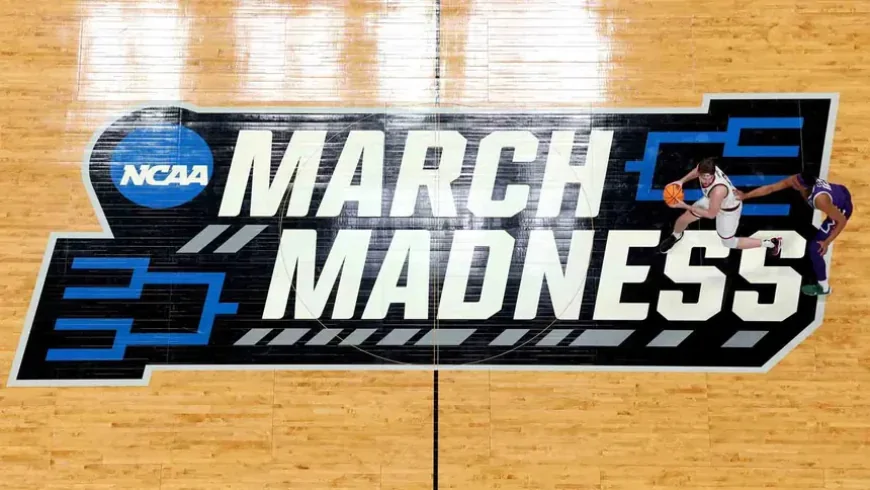
The 2026 NCAA Men's Basketball Tournament has opened with First Four results delivering early upsets that have already complicated brackets across the country as the 68-team field takes shape.
First Four Delivers Early Drama as March Madness 2026 Gets Underway
March. The month that turns casual sports fans into bracket obsessives and transforms mid-major college basketball programs into household names for 72 hours at a time. The 2026 NCAA Men's Basketball Tournament is underway, and the First Four round in Dayton, Ohio has wasted no time delivering the kind of result that shreds perfectly constructed brackets before the first Thursday games even tip off.
The First Four features four matchups — two involving teams from automatic bid conferences completing the 64-team bracket, and two featuring at-large teams competing for the last spots in the field. This year's field reflects a season of unusual competitive balance at the top of college basketball, with multiple programs capable of advancing deep into the second week.
HBO and its Max streaming platform are carrying March Madness this year with an enhanced viewing package that includes multiview streaming for simultaneous games, key moment highlights, in-game replays, and expert analysis. The format has expanded the tournament's accessibility beyond the traditional cable window that limited viewers in previous decades.
The Bracket Landscape: Who Has the Path?
Selection Sunday produced a bracket that rewarded programs from power conferences while giving genuine at-large inclusion to several mid-major teams that built strong enough resumes during a compressed regular season. The Big East, Big Ten, and SEC occupy the top seeds in each region, as is typical, but this year's draw has placed several of the more dangerous mid-seed teams on paths that could lead to early upsets.
Vegas and Pittsburgh met in the First Four in a play-in matchup that drew significant attention given both programs' postseason track records. Cincinnati faced TCU in a Big 12 matchup for the final at-large berth from that conference. Xavier met Villanova in a classic Big East rivalry game forced into the First Four by the logjam at the bubble. Providence faced Georgetown in what turned out to be the most contested of the four preliminary matchups.
According to Andy Katz, NCAA Insider and Basketball Analyst, "The First Four is no longer just an inconvenient pre-tournament footnote. The teams that come through Dayton are battle-tested in a way that teams sitting idle for a week never are. History shows they can make real runs."
The Women's Tournament: A Historic Field
The women's bracket has attracted unusual attention this year. Alysa Liu, who became the first American woman to win Olympic figure skating gold since 2002 at the Milan-Cortina Winter Games, appeared at a Connecticut versus St. John's Women's Big East game over the weekend as a guest of the athletic department — drawing coverage that bridged winter sports and college basketball audiences.
The SheBelieves Cup is also running concurrently, with the US Women's National Soccer Team facing Colombia and Canada in group stage matches. The scheduling overlap between soccer, basketball, and the Winter Paralympics has created one of the most sports-dense weeks in recent memory for American fans.
What the Data Says About First Four Teams
First Four teams that survive to the main bracket have won their first-round games at roughly a 50% clip over the past decade — statistically no worse than a 5-seed facing a 12-seed. The emotional momentum of having just won a game in Dayton appears to have measurable effects on subsequent performance, according to sports analytics research published earlier this month.
Teams advancing from the First Four as automatic bid recipients from smaller conferences have historically struggled more than at-large First Four survivors. The at-large teams typically have more talent and recent high-level game experience. This year's at-large First Four matchups featured teams with better overall records than their seeding suggested — the consequence of a particularly competitive bubble.
The full 64-team bracket begins Thursday. Sixty-three more games will follow. Brackets will be destroyed. Programs will make history. Coaches will keep their jobs or lose them based on single-elimination decisions made in real time. That is March, and it has officially arrived.