

Zimbabwe Frees 4,305 Prisoners Under Mnangagwa's Presidential Amnesty
Zimbabwe began releasing 3,978 prisoners immediately on Tuesday under President Mnangagwa's Clemency Order No. 1 of 2026, targeting women, juveniles, and elderly inmates.
Key Takeaways
- Zimbabwe began releasing 3,978 prisoners immediately on Tuesday under President Mnangagwa's Clemency Order No. 1 of 2026, targeting women, juveniles, and elderly inmates.
- Zimbabwe Opens Prison Gates for Thousands Under Presidential Clemency OrderZimbabwe began the largest single prisoner release in recent national memory on Tuesday, as the Zimbab...
- Published: Mar 03, 2026 — World News
Zimbabwe Opens Prison Gates for Thousands Under Presidential Clemency Order
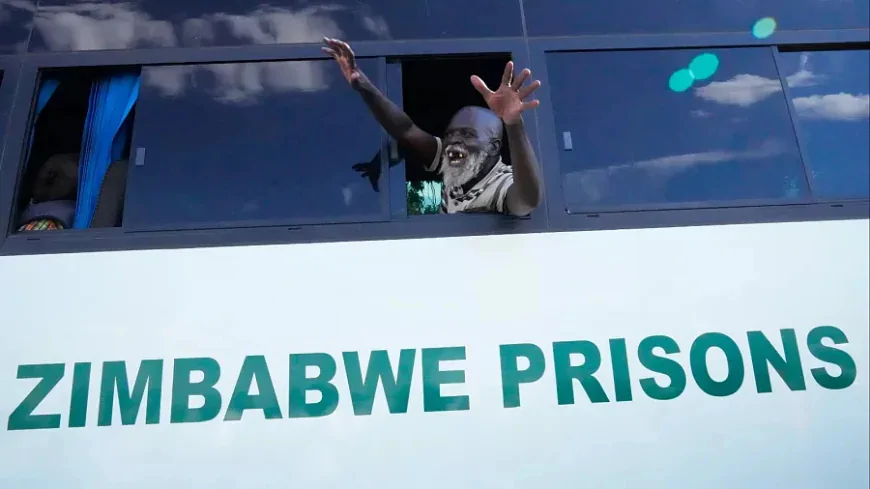
Zimbabwe began the largest single prisoner release in recent national memory on Tuesday, as the Zimbabwe Prisons and Correctional Services started processing the immediate discharge of 3,978 inmates under President Emmerson Mnangagwa's Clemency Order No. 1 of 2026. A further 327 prisoners will be released in phases over the coming weeks. Justice Minister Ziyambi Ziyambi confirmed the figures at a press briefing, saying the releases reflected the government's "acknowledgment of the capacity for human reform" rather than a dismissal of the severity of crimes committed.
A nationwide audit conducted by Zimbabwe Prisons and Correctional Services officials confirmed that 4,305 inmates in total met the criteria for release. Among those freed were 223 women convicted of lesser offences, juveniles under 18, elderly prisoners aged 60 and above who had served at least a third of their sentences, terminally ill inmates, and individuals with disabilities whose conditions could not be adequately managed within the correctional system. Prisoners housed in Open Prisons and those who had served at least 20 years of their sentences — including individuals whose death penalties were previously commuted to life imprisonment — also qualified under the clemency order.
Scenes outside several prisons were emotionally charged as freed inmates reunited with families who had gathered at the gates. Some broke into chants and held up banners as they walked free. Demetria Sichauke, among the women released Tuesday, told reporters she had used her time inside to learn bag-making and key-holder crafting. "Drug dealing is a thing of the past," she said.
Exclusions Preserve Public Safety Boundaries
The amnesty was accompanied by explicit exclusions that the government said were designed to ensure public safety was not compromised. Individuals convicted of murder, treason, rape, sexual offences, carjacking, robbery, armed robbery, public violence and human trafficking were categorically excluded from the clemency order. The list of excluded offences also covered unlawful firearm possession and violations of multiple security and infrastructure statutes, including the Maintenance of Peace and Order Act — a provision that critics noted has historically been used against political protesters and opposition figures.
Human rights groups and prison reform advocates had for years urged targeted clemency programmes and a functional parole system to address Zimbabwe's severe prison overcrowding, which has strained correctional facilities across the country. Zimbabwe's prisons held just over 24,000 inmates in the second quarter of 2025, according to the most recent available national data, against infrastructure designed for significantly fewer. The amnesty will immediately reduce that population by roughly 18 percent.
The Zimbabwe Prisons and Correctional Services expressed formal appreciation for the clemency order, with spokesperson Assistant Commissioner Meya Khanyezi calling it a "noble and humane gesture" that aligned with the institution's mandate to facilitate reintegration of offenders into society. The ZPCS said verification, screening and documentation processes had been completed before releases began on Tuesday.
Political Backdrop: Constitutional Controversy Lingers
The amnesty announcement comes amid significant political controversy. The Mnangagwa government is pursuing draft constitutional legislation that would allow the president to extend his term in office until 2030, bypassing general elections and giving parliament the power to select the president. Opposition figures have described the proposed changes as a constitutional "coup," and the political atmosphere in Harare has been tense for weeks.
The clemency order's exclusion of prisoners held under the Maintenance of Peace and Order Act — a statute frequently applied to political detainees and protesters — drew pointed criticism from opposition politicians who argued it revealed the selectivity of the government's humanitarian gesture.
According to Dewa Mavhinga, Southern Africa Director at Human Rights Watch, "A genuine prison reform programme would pair this clemency order with a commitment to independent judicial oversight and meaningful parole infrastructure — without that, the risk is that overcrowding simply rebuilds itself within a few years."
Whether Zimbabwe's newly freed inmates receive the community support and reintegration services they need, or return to circumstances that led to their incarceration, will test whether the government's rhetoric about rehabilitation has any structural foundation behind it.
What's Your Reaction?
 Like
0
Like
0
 Dislike
0
Dislike
0
 Love
0
Love
0
 Funny
0
Funny
0
 Wow
0
Wow
0
 Sad
0
Sad
0
 Angry
0
Angry
0








Comments (0)