



























UN General Assembly Demands Ukraine Ceasefire Amid U.S. Abstention and Russian Defiance
The UN General Assembly voted 107-12 with 51 abstentions to demand an immediate ceasefire in Ukraine on the war's fourth anniversary, with the U.S. abstaining and Russia calling it political pressure.
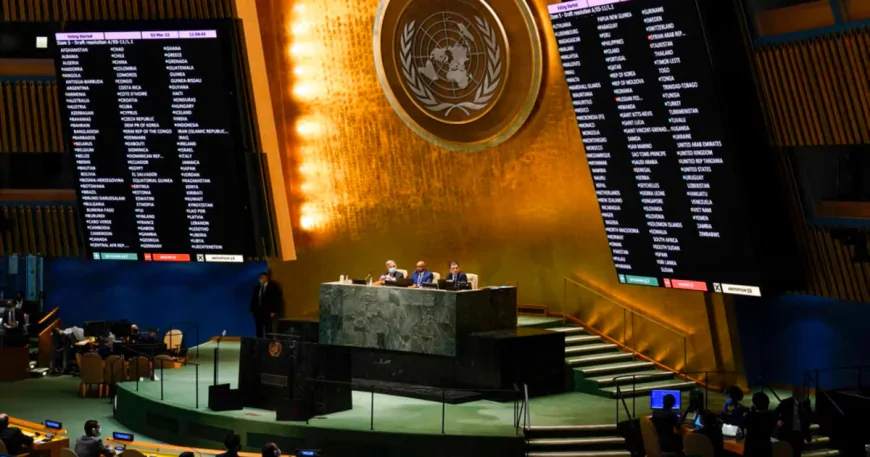
UN Marks Ukraine War's Fourth Anniversary With Ceasefire Demand Washington Won't Endorse
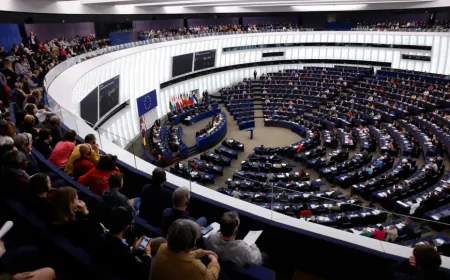
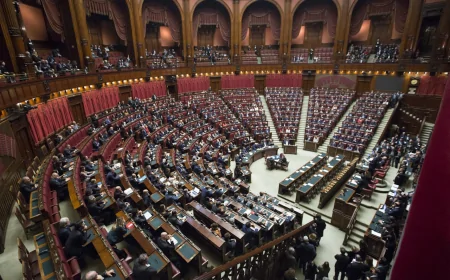
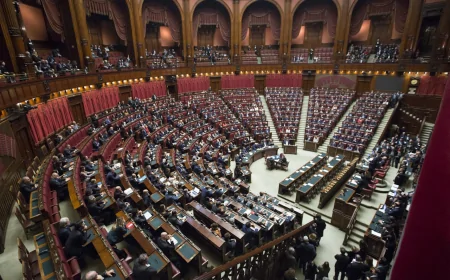
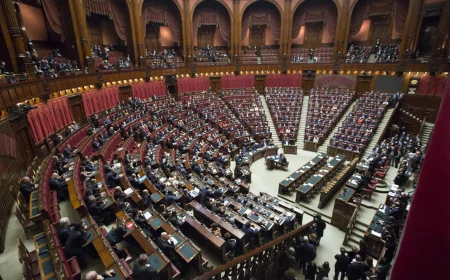
The United Nations General Assembly gathered on Wednesday for the fourth anniversary of Russia's full-scale invasion of Ukraine, adopting a resolution titled "Support for Lasting Peace in Ukraine" by a vote of 107 in favour to 12 against, with 51 abstentions. The resolution called for an immediate, full, and unconditional ceasefire between Russia and Ukraine, the release of all unlawfully detained persons, and the return of civilians forcibly transferred or deported — including children. The vote took place in the latest session of the General Assembly's Eleventh Emergency Special Session on Ukraine, convened first in February 2022 and reconvened repeatedly as the war continued past every diplomatic prediction of its duration.
The United States abstained. The American representative said the administration welcomed the call for a ceasefire but warned that some language in the resolution was "likely to distract from ongoing negotiations rather than support discussion of the full range of diplomatic avenues." The U.S. position reflected a White House that has staked considerable political capital on its trilateral negotiating process with Russia and Ukraine and was unwilling to endorse a General Assembly text that it had not shaped and that Russia's delegation would use to argue the process was being politicised.
Russia's representative called the resumption of the special session an attempt to "exert political pressure on Moscow" rather than support genuine diplomacy. The Russian delegation warned against a "hasty truce" that did not address what Moscow described as the root causes of the conflict — language that has been consistent throughout every round of Russian diplomatic engagement since February 2022 and that effectively frames any ceasefire without Russian territorial recognition as an incomplete outcome. China, which abstained alongside the United States, called for "a more balanced, effective and sustainable European security architecture" — phrasing that aligned with Russia's framing rather than Ukraine's.
European Unity in the Assembly Chamber
The European Union's delegate, speaking in its observer capacity, delivered a pointed statement condemning Russia's ongoing targeting of civilian infrastructure as war crimes. Latvia's Foreign Minister was among the most forceful voices, saying "Russia's war is an imperial and colonial war" and warning that no country was safe from Moscow's territorial ambitions. European member states voted unanimously in favour of the resolution, maintaining the bloc solidarity on Ukraine-related assembly votes that has held since 2022 despite internal EU disagreements on specific policy questions including the pace of arms deliveries and the terms of any future peace settlement.
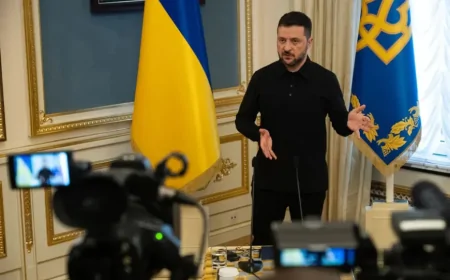
Ukraine's representative asked member states to treat the vote as support not merely for a political statement but for "justice, peace and the Ukrainian people." Ukrainian officials had been careful to frame the resolution in terms that did not appear to undermine or duplicate the ongoing trilateral talks — a delicate balance, given that the resolution's demand for an immediate ceasefire goes further than the cautious, monitored framework being negotiated through Witkoff and Kushner's channel.
The 12 votes against the resolution — a smaller number than in some previous Ukraine-related votes — included Russia, North Korea, Belarus, and Eritrea, with several other countries that had previously voted against Ukrainian resolutions switching to abstention. The shift among some African and Asian states from opposition to abstention reflects the evolving diplomatic landscape rather than any fundamental change in their assessment of the war's origins.
The Gap Between the General Assembly and the Negotiating Table
The fundamental tension the Wednesday vote exposed is structural: the General Assembly can pass resolutions and create political narrative, but it has no enforcement mechanism. The Security Council, where the five permanent members including Russia and the United States hold veto power, is the body with binding authority — and the Security Council has been paralysed on Ukraine since the first day of the invasion. The General Assembly's Uniting for Peace mechanism, used to convene the Emergency Special Session, is a workaround born in the Korean War era that generates moral weight without legal compulsion.
Russia's representative made this point explicitly: the resolution "cannot be viewed as an end in itself" and the Security Council's paralysis is not an accident but a structural feature of the international legal architecture that gives great powers protection from collective action against their interests.
Whether Wednesday's vote accelerates the Abu Dhabi negotiating track — by demonstrating to Russia that international opinion is coalescing in ways that impose long-term diplomatic costs — or simply gives Moscow another piece of evidence that the West is trying to impose terms through multilateral pressure rather than bilateral negotiation depends on assessments made in Moscow that no General Assembly resolution can force.
According to Richard Gowan, UN Director at the International Crisis Group, "The General Assembly vote matters symbolically — it shows that 107 countries want this war to end — but the real question is whether it produces any change in the negotiating calculus in Abu Dhabi or whether it simply gives Russian hardliners more evidence that this is a Western diplomatic campaign rather than a genuine peace effort."
Four years into a war that has killed more than a million people, displaced millions more, and reshaped European security architecture, the gap between the General Assembly's ceasefire demand and the reality on the ground remains as wide as it was when the Emergency Special Session was first convened.