


















Zelensky: Ukraine-Russia Peace Talks on Hold as US Fights Iran War
President Zelensky confirmed Ukraine-Russia-US peace negotiations are frozen after Washington redirected all diplomatic attention to the Iran conflict.
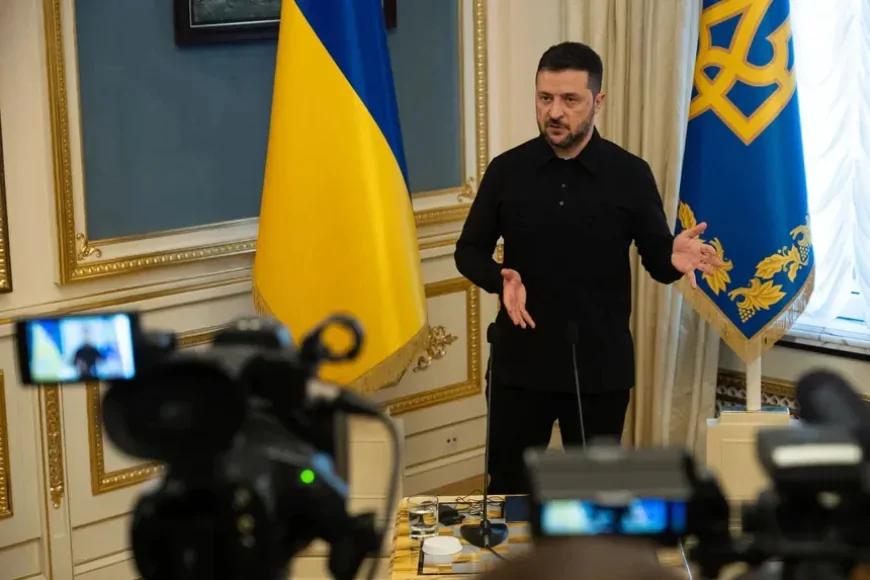
Ukraine Left Without a Diplomatic Track as Washington Turns Its Full Attention to Tehran
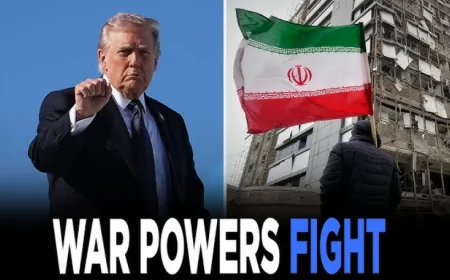
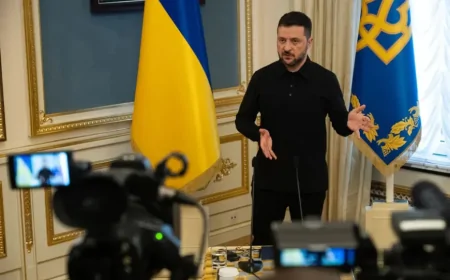
President Volodymyr Zelensky confirmed Tuesday that the trilateral peace negotiations involving Ukraine, Russia, and the United States — a framework that had generated cautious optimism among diplomats since late 2025 — are now effectively suspended, with American attention and resources redirected to the active military conflict against Iran. The statement, delivered in a brief video address on Tuesday, was notable for its directness: "Trilateral peace talks are on hold due to the war between Washington and Tehran." No timeline for resumption was offered.
The suspension places Ukraine in one of the most diplomatically exposed positions of the war's four-year history. For much of 2025, the Trump administration's engagement in mediation between Kyiv and Moscow — however partial and contested — had served as a structural constraint on the most extreme forms of battlefield escalation. A meaningful ceasefire agreement remained distant, but the existence of a diplomatic process created political space that both sides managed, if not exploited.
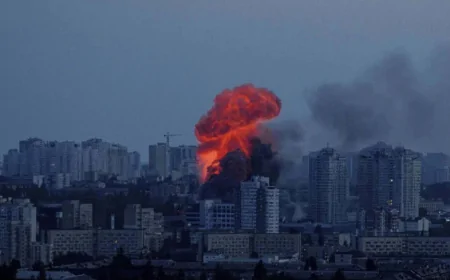
With that framework gone, the battlefield is operating in a condition of pure military logic, as evidenced by Russia's overnight launch of 155 drones against Ukrainian territory. The barrage was not a negotiating signal. It was an operational strike designed to degrade Ukrainian energy infrastructure before the remaining winter heating demand passes — exactly the kind of action that a functioning diplomatic track tends, however imperfectly, to inhibit.
The Structure of the Frozen Framework
The trilateral format had been assembled largely outside the formal multilateral channels that European governments preferred. US special envoy Keith Kellogg had conducted direct meetings with both Zelensky and Russian Foreign Minister Sergei Lavrov, and a preliminary framework for confidence-building measures — including a proposed 30-day moratorium on strikes against civilian infrastructure — had been discussed without being formally agreed. The framework excluded European governments from the mediation process, a structural choice that generated formal objections from Brussels, Paris, and Warsaw, all of which argued that European security could not be guaranteed by agreements negotiated without European participation.
Zelensky had expressed deep ambivalence about the format publicly, questioning whether any agreement reached through American mediation could bind Moscow without robust enforcement mechanisms. His scepticism was shared, though rarely expressed so openly, by the Ukrainian military command, which viewed ceasefire proposals as risks to territory that had been defended at catastrophic human cost.
According to Dr. Orysia Lutsevych, Research Director of the Ukraine Forum at Chatham House, "Zelensky is in an extraordinarily difficult position. He is now fighting a war with reduced American diplomatic engagement, continuing Russian offensive pressure, and European allies who are focused simultaneously on their own rearmament, the Iran conflict, and energy prices. The convergence of these pressures in a single week is as challenging as anything Ukraine has faced since the 2022 invasion itself."
European Alternatives and the Question of Substitution
European leaders have been exploring whether they can substitute, even partially, for the diplomatic role that US mediation played in the now-suspended talks. France and Germany, operating through the so-called Weimar Plus grouping that also includes Poland and the UK, have held consultations about convening a European-led negotiation framework. The obstacles are substantial: Moscow has consistently refused to recognise European mediators as neutral parties and has insisted that any peace process must involve direct US engagement.
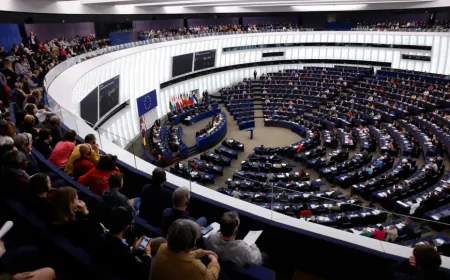
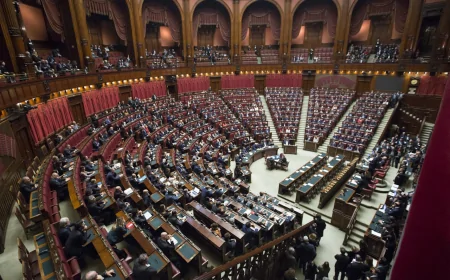
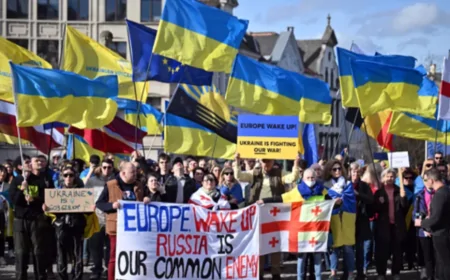
The EU Parliament earlier this month addressed MEPs at an extraordinary plenary session marking the four-year anniversary of Russia's full-scale invasion, with Zelensky appearing via video link to appeal for continued military and financial support. That solidarity was genuine; its translation into diplomatic use as use over Moscow is less clear.
The path back to a functioning peace process likely runs through Washington. Whether the Trump administration, once the Iran conflict reaches a resolution of some kind, will reinvest diplomatic capital in Ukraine — or whether it will regard the frozen talks as a convenient status quo — will determine whether this war moves toward its endpoint in the months ahead, or continues along its present trajectory of attrition without end.
European Security Guarantees for Ukraine: The Post-Peace Problem
The suspension of the trilateral peace talks creates not only a negotiating vacuum but a preparatory one. For months, European governments operating in the "coalition of the willing" framework had been working on the architecture of post-ceasefire security guarantees for Ukraine — the institutional and operational structures that would deter future Russian aggression following any agreement. France, the United Kingdom, Germany, and Poland had been the leading nations in those preparatory discussions, which had generated draft frameworks for a European monitoring mission, force presence options, and financial commitment structures.
All of that preparatory work is now on pause. The security guarantee architecture is only meaningful if there is a peace agreement to guarantee, and there is currently no peace agreement in prospect. European governments face the uncomfortable question of whether to continue investing political and planning capital in a post-war security architecture when the war is intensifying, or whether to redirect that capital toward current military support — ammunition, artillery, air defence systems — that Ukraine needs today.
The institutional dimension adds further complexity. Any European security guarantee architecture for Ukraine would need, to be credible, either US participation or US explicit endorsement. Washington's current absorption in the Iran conflict makes neither available in the near term. European leaders who have invested political capital in the coalition of the willing framework — particularly France's Macron and the UK's Labour government — are now managing a diplomatic investment that cannot be cashed until circumstances that are not currently present come back into existence.