





































US Senate Fails to Curb Trump's War Powers Over Iran Military Strikes
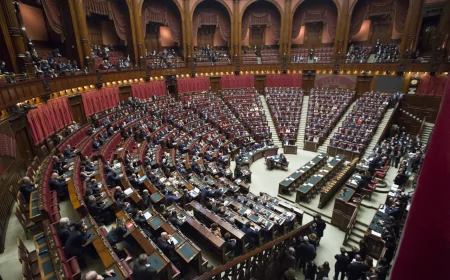
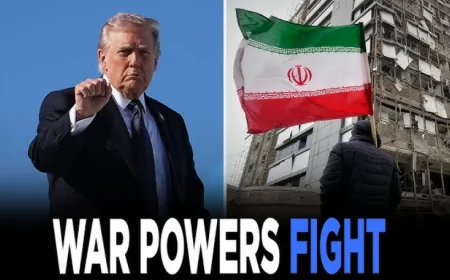
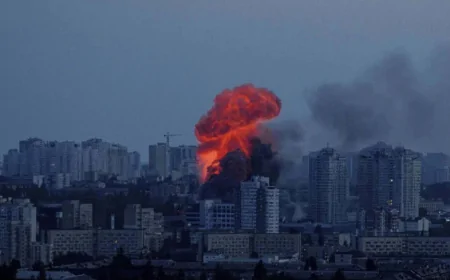
A US Senate vote to invoke the War Powers Resolution and constrain President Trump's military operations in Iran failed Wednesday amid partisan divisions.
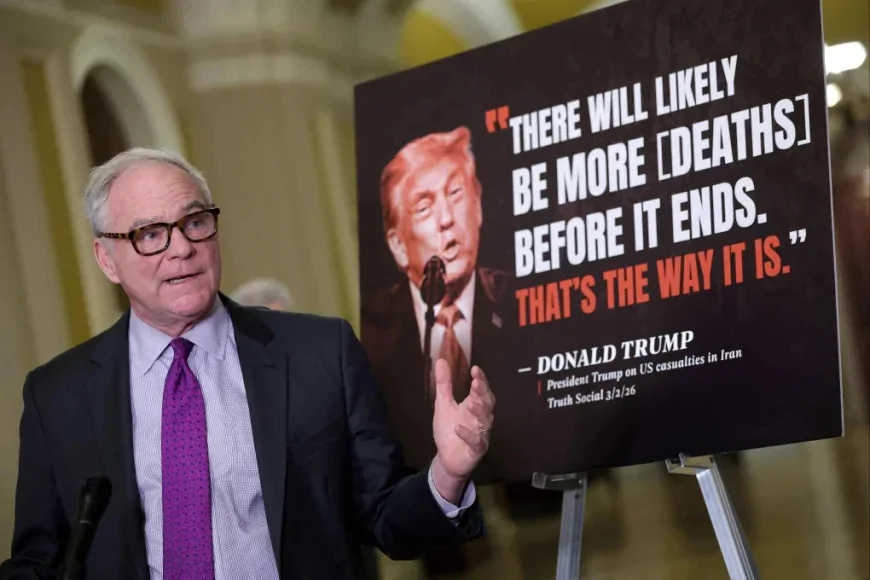
Senate War Powers Vote Fails, but Near Margin Signals Cracks in Republican Unity on Iran
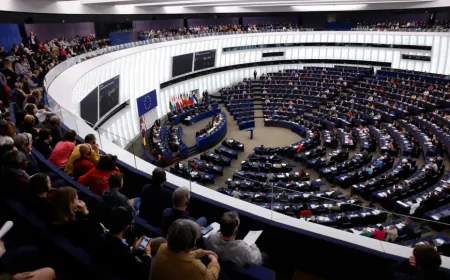
A Senate effort to invoke the War Powers Resolution and impose congressional constraints on President Donald Trump's military campaign against Iran failed Wednesday, dealing a blow to Democrats and a handful of Republican dissenters who argued the administration had commenced an act of war against a sovereign nation without constitutional authorisation from Congress. The vote's failure was expected; its margin was not — and it is that margin that is now driving anxiety in both parties.
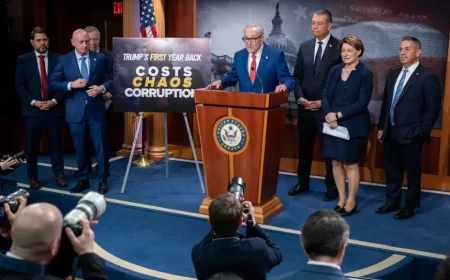
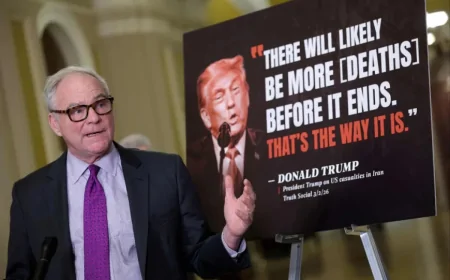
Senior Democratic senators, including Senator Tim Kaine of Virginia, have been at the forefront of demands that Congress assert its war-making authority under Article I of the Constitution, citing the framers' explicit decision to vest the power to declare war in the legislative branch rather than the executive. Kaine, who has introduced or co-sponsored war powers legislation targeting US military action in Iran, argued on the Senate floor that allowing one man to order the bombing of a sovereign government without a vote sets a precedent from which future Congresses will struggle to recover.
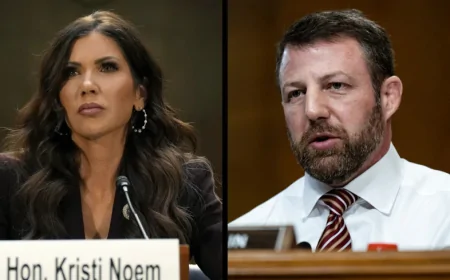
Several Republicans, notably those on the Senate Armed Services Committee, expressed privately that they want greater oversight of the conflict's military and financial scope. According to reporting from Punchbowl News, Republican senators want "a piece of overseeing the conflict, but not publicly" — a formulation that captures the contradiction at the heart of the Republican position: institutional unease dressed in institutional silence.
The Constitutional Argument: Sixty Years of Congressional Abdication
The War Powers Resolution, passed in 1973 over President Nixon's veto, requires the president to notify Congress within 48 hours of committing US armed forces to hostilities and limits unauthorised military operations to 60 days without congressional approval. Presidents of both parties have consistently argued — without serious congressional challenge — that the resolution is an unconstitutional infringement on executive power. The practical result has been a decades-long erosion of Congress's war-making role.
The current administration has not submitted formal notification to Congress under the resolution's terms, and White House counsel has reportedly argued internally that the strikes on Iran fall under the president's Article II authority as commander-in-chief, a position that legal scholars across the political spectrum have challenged vigorously.
According to Professor Mary Ellen O'Connell, Robert and Marion Short Professor of Law at Notre Dame Law School and a specialist in international use of force, "The administration's legal theory requires treating Iran simultaneously as an imminent threat that justified preemptive self-defence and as a target of what is clearly a war. Those two framings are in fundamental legal tension, and Congress is the constitutionally designated institution to adjudicate that tension."
Political Stakes: A Precedent Being Built in Real Time
The failure of Wednesday's vote does not end the congressional debate — it prolongs it. The closer the margin of defeat, the more visible the political pressure on Republican senators in competitive states who must eventually answer to voters on whether they supported or opposed a war that, as of today, has claimed six American lives and has no defined endpoint.
Democrats face their own strategic dilemma. The party's base is broadly opposed to the conflict, but several Democratic senators in states where Trump won in 2024 are cautious about being seen as opposing a military operation framed by the administration as a strike against Iranian terrorism and nuclear proliferation. The party's internal tension between opposition on principle and caution on politics is playing out in real time on the Senate floor.
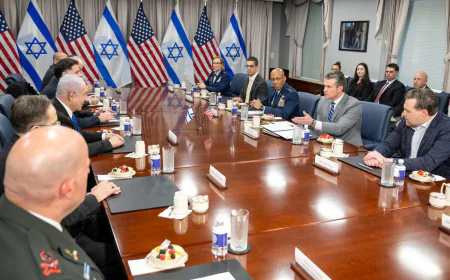
The White House, for its part, has shown no interest in seeking authorisation and has dispatched cabinet officials to brief congressional leaders in closed sessions — a gesture that satisfies procedural norms while maintaining executive control of the political narrative. The question is not whether Congress will ultimately reassert itself, but whether it will do so before or after the war's strategic outcome becomes clear.
The Sixty-Day Clock and What Happens When It Runs Out
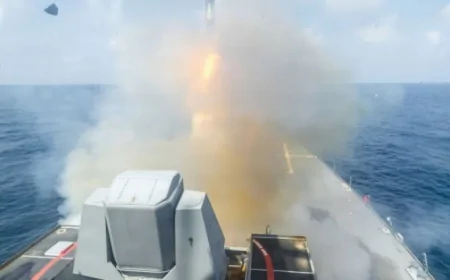
Under the War Powers Resolution's text, President Trump has 60 days from the commencement of hostilities — measured from March 1, when strikes began — to either obtain congressional authorisation for continued operations or terminate US military involvement. That clock expires on April 30, 2026, at which point, in the resolution's framework, the president must begin withdrawing forces absent an explicit congressional vote.
Every president since Nixon has argued that the 60-day provision is unconstitutional as applied to the executive's commander-in-chief authority, and no court has ever definitively ruled on its constitutionality — leaving the provision as a political constraint rather than a legal one. In practice, the resolution's 60-day deadline has never actually stopped a military operation; presidents have consistently relied on the absence of congressional enforcement rather than legal approval to continue operations beyond the window.
The Trump administration's lawyers will make exactly that argument if April 30 arrives without a congressional vote. Whether a critical mass of Republican senators — those who are already expressing private discomfort with the operation's scope — will use the deadline as a forcing function to demand greater executive accountability remains to be seen. The vote on Wednesday's war powers resolution failed; the vote on April 30's implications has not yet been called. The intervening seven weeks, and whatever happens on the battlefield during them, will determine how much political will Congress can muster when the constitutional moment arrives.