




































Hegseth Declares America Winning as US-Iran War Enters Day Five
Defense Secretary Pete Hegseth declared America is winning as the US-Iran military conflict entered its fifth day with no ceasefire in sight.
Hegseth Declares Victory Is Near as US Strikes Neutralise Iran's Naval Capacity
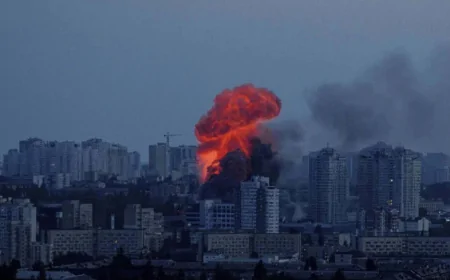
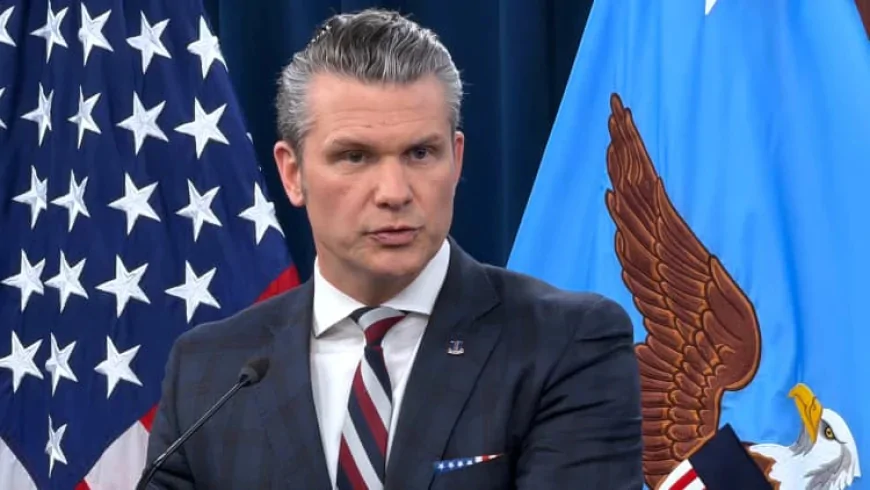
Defense Secretary Pete Hegseth stood at the Pentagon podium on Wednesday alongside Chairman of the Joint Chiefs of Staff General Dan Caine and delivered the bluntest assessment yet of the five-day-old war against Iran: the United States is winning. The declaration came as US and Israeli forces continued a sustained campaign of strikes on Iranian military infrastructure, naval assets, and nuclear-adjacent facilities that US officials confirmed has fundamentally reshaped the strategic landscape of the Middle East.
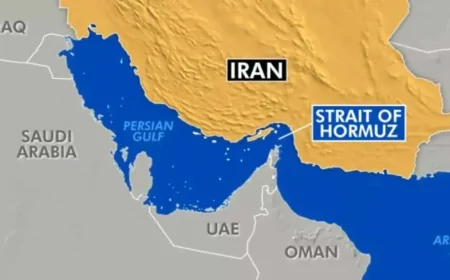
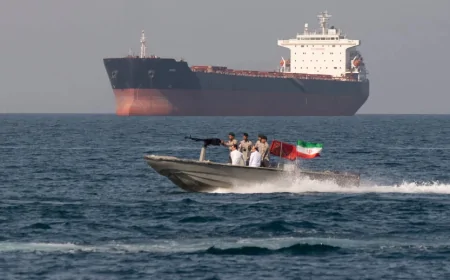
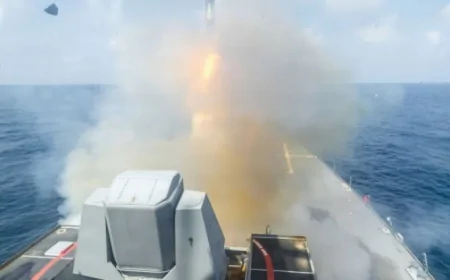
General Caine told reporters that US and Israeli operations had effectively neutralised Iran's naval capacity, claiming the military had struck or sunk more than twenty Iranian vessels since hostilities began last Saturday. The claim, presented without independent verification in the briefing room, nonetheless signals a level of operational confidence that senior officials had withheld during the conflict's opening days.
Hegseth was careful to temper the triumphalism. "It's very early, and as President Trump has said, we will take all the time we need to make sure that we succeed," he told reporters. The operation is entering what military planners describe as its consolidation phase, with more forces continuing to arrive in the theatre.
Iran's Nuclear Programme: The Stated Justification Under Scrutiny
The administration's core rationale for launching the conflict — preventing Iran from acquiring a nuclear weapon — remains deeply contested. Israeli officials separately briefed journalists on Wednesday that intelligence indicated Iran could have enriched uranium to 90 percent, or weapons grade, within two weeks had it chosen to do so before the strikes. Those same officials, however, acknowledged that Iran's weaponisation group was "still far from producing a classic nuclear bomb."
That caveat sits in sharp tension with the United Nations' nuclear watchdog, the International Atomic Energy Agency, which told CNN that Iran was not days or weeks from possessing atomic weapons when the strikes commenced. The IAEA's position directly contradicts the urgency framing adopted by both Washington and Tel Aviv in their public justifications for military action.
President Trump has repeatedly asserted that Tehran's nuclear programme was "obliterated" by prior US strikes on Iran last summer, a claim that intelligence assessments have never fully supported. According to US intelligence estimates, Iran would need until 2035 to develop an intercontinental ballistic missile if it chose to pursue one — a timeline inconsistent with the imminent-threat framing central to the war's political justification.
Domestic Conditions Inside Iran and Regional Spillover
Inside Tehran, daily life has been transformed by the conflict. Iranian state media has banned photographs and videos of strike locations, and authorities have warned that individuals who share such material with foreign press will face punishment. The internet remains blocked, severely limiting Iranians' access to outside information. Banks have restricted cash withdrawals, and while food shortages have not yet been reported, prices that were already elevated have continued to rise.
The war is spreading beyond Iran's borders. Hezbollah has resumed significant rocket attacks against northern Israel after four months of relative calm. US officials confirmed that six American service members have been killed since hostilities began. The Azerbaijani government separately reported that Iranian drones struck the terminal building at Nakhchivan International Airport, a deeply alarming escalation that drew immediate condemnation from Baku.
The White House on Wednesday invited the chief executives of the country's largest defence contractors — including Lockheed Martin and Raytheon parent RTX — to a Friday meeting focused on weapons production capacity. The move follows growing concern among defence officials about munitions depletion, even as President Trump publicly insisted the United States has "a virtually unlimited supply" of ammunition. That claim has no basis in official inventory assessments.
Political Stakes: Congress Watches, Democrats Warn
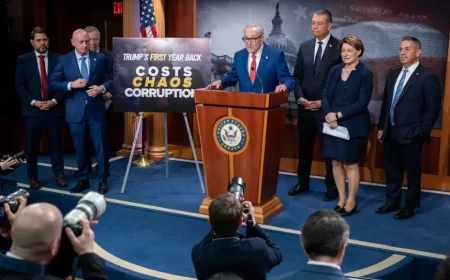
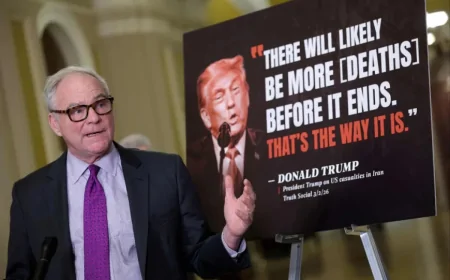
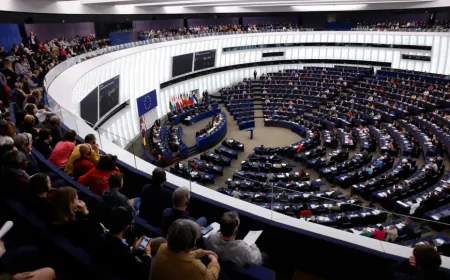
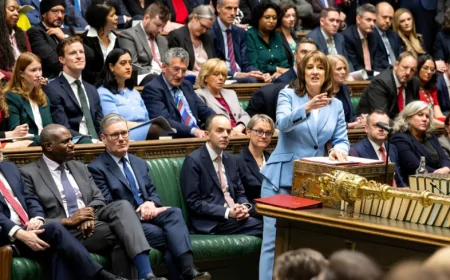
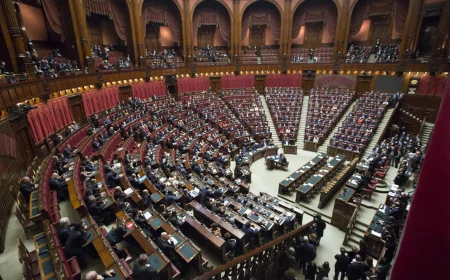
The war is moving rapidly from a military event into a full constitutional confrontation. Democrats in both chambers have escalated warnings that President Trump lacks congressional authorisation for sustained offensive operations against a sovereign state. A senate vote on a war powers resolution failed Wednesday, but the margin was close enough to indicate that Republican solidarity on the war is not absolute.
According to Dr. Trita Parsi, Executive Vice President of the Quincy Institute for Responsible Statecraft, "The administration has built its entire public case on a threat assessment that US intelligence agencies and international inspectors have explicitly disputed. If the war extends beyond weeks, that credibility gap will become the dominant political story in Washington." The coming days will test whether Hegseth's confidence holds — or whether the operation enters the kind of protracted uncertainty that no briefing room language can contain.
What Comes Next: Escalation Scenarios and the Ceasefire Question
No ceasefire framework has been publicly proposed by either Washington or Tehran as of Thursday morning. Iran has not formally requested negotiations, and the Trump administration has shown no inclination to pause operations while strategic objectives remain incomplete. The official US definition of those objectives — ending Iran's nuclear weapons pathway and dismantling its capacity to export what officials call terrorism — is written broadly enough to sustain military operations for an indeterminate period.
The domestic political clock in the United States is, however, running. The Iran war began without an authorisation for use of military force and without a formal declaration of war. Every week that passes without a congressional vote either endorsing or constraining the operation makes the constitutional questions more pointed. Democratic senators who have been cautious about opposing a popular military campaign will find it harder to maintain that caution if American casualties rise, if the war expands to Lebanon or Iraq, or if the domestic economic consequences of elevated oil prices and defence spending become a tangible issue for American households.
The International Committee of the Red Cross has separately called for guaranteed humanitarian corridors into Iran to allow access to the wounded and to civilians trapped in areas of active combat. That call has received no formal US or Israeli response. The arc of the conflict bends toward further escalation unless a political decision intervenes — and no such decision, from any actor with the power to make it, appears imminent.