



































Drone Strike Shuts Saudi Arabia's Ras Tanura Oil Export Terminal
Drone attacks shut Saudi Arabia's Ras Tanura oil terminal Monday, halting 550,000 barrels per day in the Gulf's largest energy infrastructure strike.
Drone Attack on Ras Tanura Triggers Oil Market Shock as Gulf Infrastructure Burns
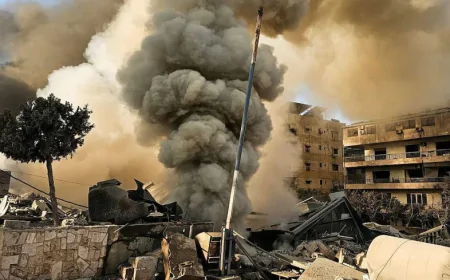
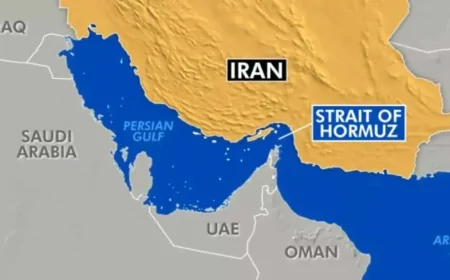
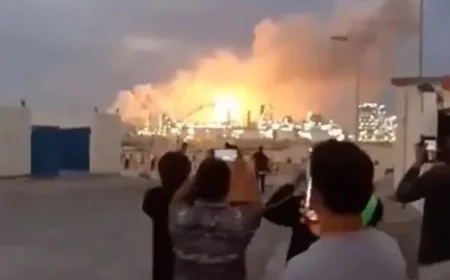
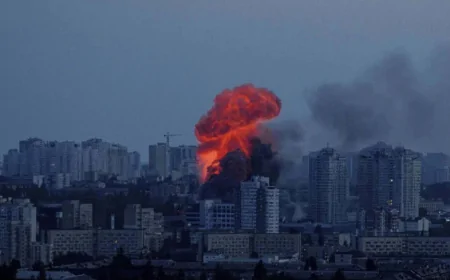
Saudi Arabia's Ras Tanura oil complex, one of the most strategically sensitive pieces of energy infrastructure on the planet, was temporarily shut down Monday after coming under drone attack, the kingdom's state news agency SPA confirmed. Satellite imagery obtained by commercial providers and published by American media outlets showed smoke rising from the facility on the Gulf coast, marking the most significant direct strike on Saudi oil infrastructure since the September 2019 attack on Abqaiq and Khurais — a strike that briefly removed roughly five percent of global oil supply from world markets.
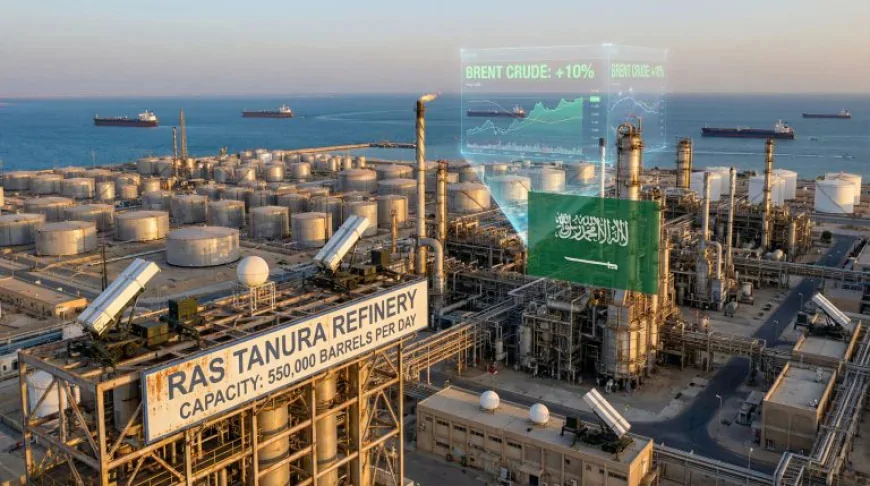
The Ras Tanura complex, located on Saudi Arabia's Eastern Province coastline, handles approximately 550,000 barrels per day of crude oil exports and serves as a critical loading terminal for Saudi Aramco's global shipments. Saudi authorities said the facility was shut down as a precautionary measure and that no casualties were immediately reported. Production at the terminal was expected to resume, but the timeline given to foreign governments was vague.
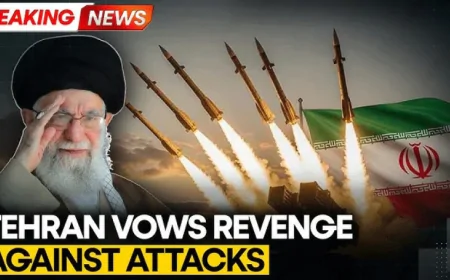
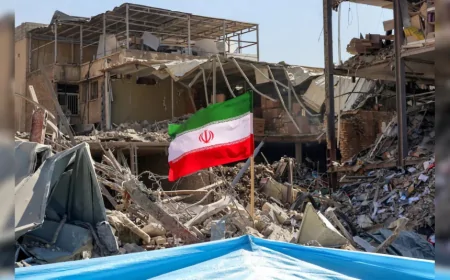
No group has formally claimed responsibility for the strike, but the attribution question is not genuinely in doubt. The attack occurred on the fifth day of active US-Israeli military operations against Iran, during a period in which Iran-backed armed groups across the region — including Hezbollah in Lebanon and Houthi-affiliated networks in Yemen — have been conducting coordinated escalatory operations against US allies and regional infrastructure.
The Pattern of Targeting: Energy as a Weapon of War
The Ras Tanura strike fits a documented pattern of Iranian strategic thinking that predates the current conflict. For over a decade, Iranian military doctrine has identified Gulf state energy infrastructure as a high-value asymmetric target — one that imposes disproportionate economic and political costs on adversaries without requiring direct conventional military engagement. The 2019 Abqaiq strike, attributed by US and Saudi officials to Iran despite a Houthi claim, demonstrated that drone and cruise missile technology had made such attacks not only feasible but repeatable.
The political significance extends beyond the physical damage. Saudi Arabia, despite its own complex relationship with Washington and Tehran, has relied on US security guarantees for decades. A successful strike on Ras Tanura during an active US military campaign signals to Riyadh — and to every other Gulf government — that those guarantees have limits.
According to Dr. Karen Young, Senior Research Scholar at Columbia University's Center on Global Energy Policy, "An attack at this scale and precision on Ras Tanura is not a random act of sabotage. It is a deliberate signal that no piece of energy infrastructure in the Gulf is beyond reach. The political message to Riyadh is as important as the barrel impact."
Oil Market Response and Global Political Fallout
Oil markets reacted sharply to the confirmed shutdown. Brent crude futures spiked in early trading as the news circulated, reflecting the Gulf's continued centrality to global energy supply chains despite years of diversification efforts. The International Energy Agency had already flagged supply disruption risks as the US-Iran conflict began; the Ras Tanura strike has converted a theoretical risk into a demonstrated reality.
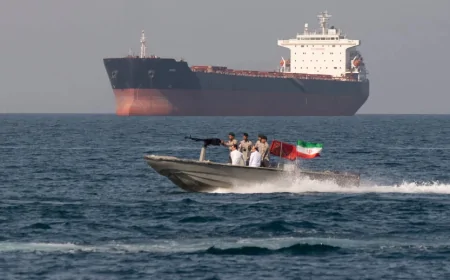
The Trump administration responded by announcing that the US government's Overseas Private Investment Corporation would extend political risk insurance to "all shipping lines" operating in the Persian Gulf — a commitment that implicitly acknowledges the depth of the commercial risk facing the region. The announcement was received with scepticism by insurance market analysts who noted that the scope of the commitment has not been legally or financially specified.
The Ras Tanura attack raises a question that Gulf governments are now facing with renewed urgency: at what point does passive support for US military operations against Iran become a liability that outweighs the benefits of the security relationship? Saudi Crown Prince Mohammed bin Salman has not made a public statement since the conflict began. His silence is itself a political act — and one that cannot last.
Energy Market Consequences: The Global Price of a Gulf War
The Ras Tanura attack has joined a sequence of energy disruptions — the US-Iran conflict itself, Houthi operations against Red Sea shipping, and the ripple effects on Gulf state risk premiums — that have collectively driven Brent crude to its highest sustained level since 2022. European and Asian economies that depend on Gulf crude are absorbing energy price increases that compound inflationary pressures already present from the post-pandemic adjustment period.
Japan, South Korea, and Taiwan — three of the world's most energy-import-dependent economies — have all activated emergency energy reserves and engaged in accelerated procurement from alternative suppliers, including Australian LNG, Norwegian natural gas, and North American crude. The speed of that pivot is limited by existing infrastructure and contractual commitments, meaning that the price impact of the Gulf disruption is a matter of weeks and months rather than days.
The political implications for the Global South are particularly acute. Countries across South Asia, Sub-Saharan Africa, and Latin America that import fuel for power generation and transport are facing currency depreciation pressures as dollar-denominated oil prices rise, fiscal strain from fuel subsidy commitments, and inflationary pressure on food systems dependent on fertiliser and logistics chains tied to oil prices. The humanitarian cost of the Ras Tanura attack and the broader Gulf energy disruption will ultimately be counted not in destroyed barrels but in the purchasing power erosion of populations in countries that had no role in, and no say over, the decisions that produced this conflict.