






















Lebanon's Political Stalemate Deepens as Hezbollah Declares Open War and Israel Advances
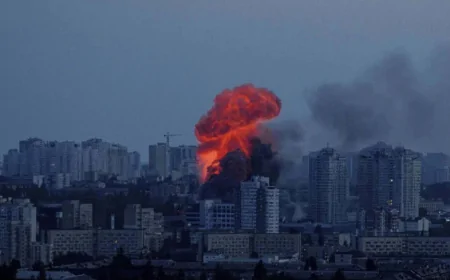
Lebanon's already-paralysed political institutions face a new collapse as Hezbollah declared open war with Israel and Israeli ground forces entered the south, displacing 30,000 people within 24 hours.
Lebanon's Fragile State Buckles Under Hezbollah's Open War Declaration
Lebanon's political institutions — which had only recently installed a president after a two-year vacancy and were attempting to form a functional government — are facing a new collapse under the weight of Hezbollah's declaration of open war with Israel and the Israeli ground incursion into southern Lebanon that followed. Stratfor's assessment, published Thursday, described Lebanon as having joined the region's "growing conflict after Hezbollah strikes Israel" in what analysts characterised as a second front in the U.S.-Israeli campaign that began with the February 28 strikes on Iran.
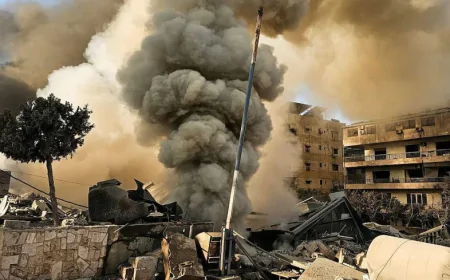
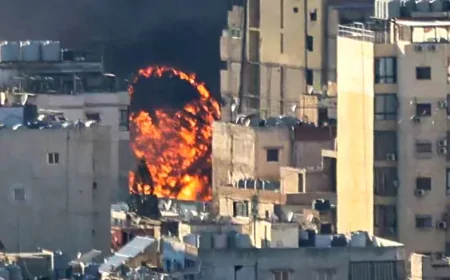
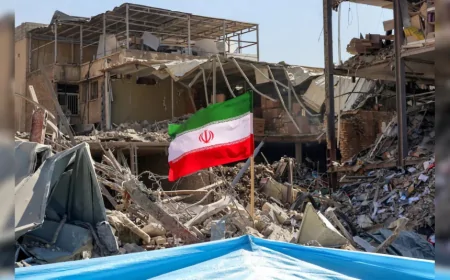
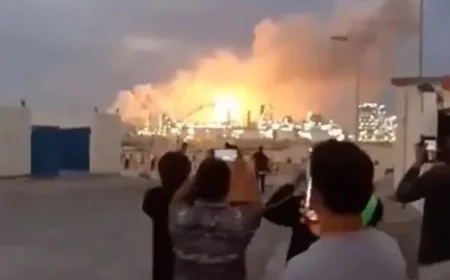
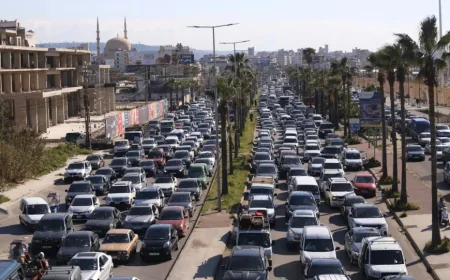
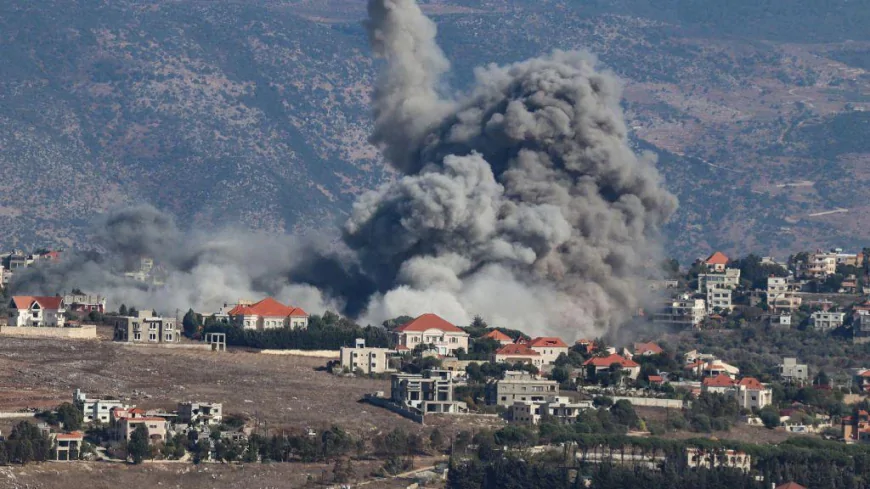
Israeli ground forces crossed into southern Lebanon on Tuesday in what the Israeli military called a "forward defence" operation. The Lebanese army confirmed it had withdrawn from at least seven advanced border positions to protect its troops from intensified Israeli air bombardment. Hezbollah issued its declaration of open war after Israel struck the Dahiyeh suburb of southern Beirut, saying "the era of patience has ended." At least 40 people were killed and 246 wounded in the initial Israeli strike wave, according to Lebanon's Ministry of Health. The UN High Commissioner for Refugees confirmed that 30,000 displaced people sought emergency shelter within 24 hours of the escalation.
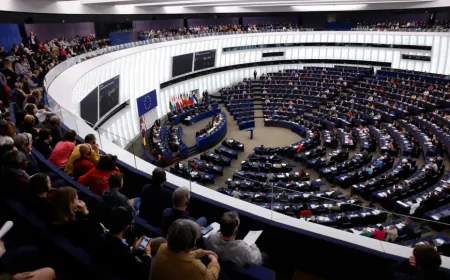
The Lebanese government formally requested an emergency session of the UN Security Council on Tuesday. The request was noted. The Security Council met. It did not agree on a resolution. The United States, which holds veto power on binding resolutions, is a party to the conflict through its joint operations with Israel. The structural impossibility of the Security Council addressing Israeli actions that the United States is participating in is not new — but it has never been more starkly illustrated than in this week's proceedings.
Political Paralysis in Beirut
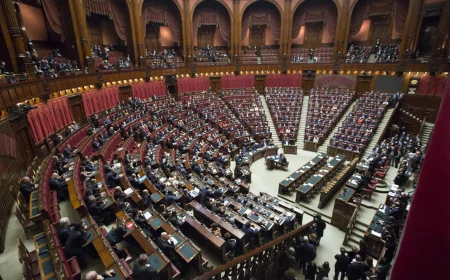
Lebanon's political class is watching the escalation from a position of almost complete institutional incapacity. The new president, installed after the two-year vacancy that paralysed the country through much of 2024 and 2025, has a government still in formation. The parliament remains the site of the same confessional power-sharing disputes that have defined Lebanese politics since the 1989 Taif Agreement. Hezbollah holds seats in that parliament and ministers in governments — a political fact that has long made Lebanon unable to act as a coherent state when its most powerful military actor pursues its own strategic agenda.
The evacuation orders issued by the Israeli military for specific southern Beirut neighbourhoods — giving residents hours rather than days to flee — produced the same scenes of mass displacement that the 2006 war created and that Lebanon's humanitarian infrastructure, already struggling with 1.5 million Syrian refugees, is deeply ill-equipped to absorb. UNICEF warned Thursday that water systems in the south were at risk of failing as maintenance workers fled conflict zones.
Iran's ambassador to Lebanon, speaking before the latest escalation, had described Hezbollah's role as defensive and its actions as justified responses to Israeli aggression. Hezbollah's own statement — that "open war" was now underway — suggests the group is moving beyond the deterrence posture it maintained since the last major escalation and into a conflict footing whose limits are not yet visible.
Iran War Creates Hezbollah's Command Problem
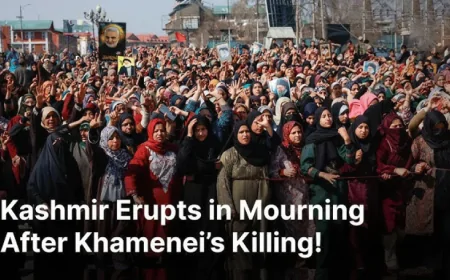
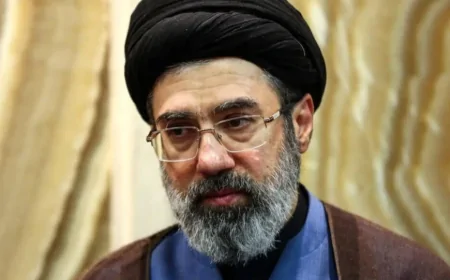
The killing of Supreme Leader Khamenei and multiple senior IRGC commanders in the initial February 28 strikes has created an acute command and coordination problem for Hezbollah, whose strategic direction has historically flowed through Tehran's decision-making structures. Whether the group's Lebanese leadership can sustain a coherent military strategy without its Iranian chain of command intact is a question that Israeli military planners are treating as the central intelligence problem of the current phase of the operation.
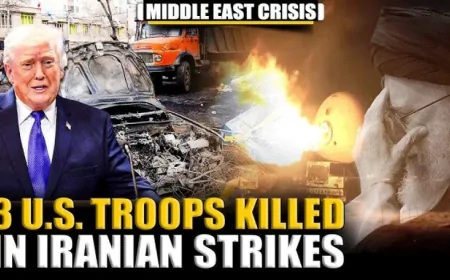
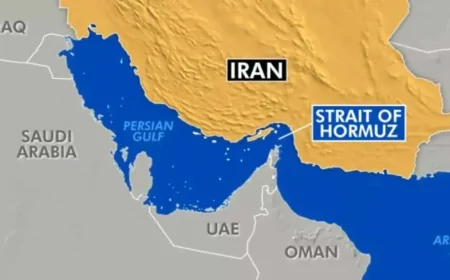
Multiple Iran-aligned factions across the region — in Iraq, Syria, and Yemen — are separately conducting retaliatory strikes against U.S. and Israeli targets, creating a distributed threat environment that stretches both the U.S. military's interception capacity and its intelligence picture. Yemen's Houthi movement announced renewed strikes on Red Sea shipping in solidarity with Iran, adding a maritime dimension to the conflict that threatens the Suez-to-Europe shipping corridor at the same moment the Hormuz closure is disrupting Gulf energy flows.
According to Lina Khatib, Director of the Middle East and North Africa Programme at Chatham House, "Lebanon is being pulled into a conflict it had no agency in starting and no institutional capacity to manage. The question is not whether Lebanon can stop what is happening to it — it cannot — but whether the international community will create conditions for a humanitarian pause before the country's fragile infrastructure collapses entirely."
Whether Lebanon's next chapter is a negotiated de-escalation with international guarantees — as happened after the 2006 war under UN Security Council Resolution 1701 — or a protracted military engagement without a clear political endpoint is a question whose answer will be determined in Tel Aviv and Tehran rather than in Beirut.